How to Choose the Right Martial Art for Your Goals, Your Personality, and Your Life
The Question That Deserves a Real Answer
Walk into any martial arts discussion online and you will find passionate advocates for every style arguing that theirs is the most effective, the most complete, the most practical, or the most worth studying. The debate rarely resolves, because the wrong question is being asked.
The right question is not "which martial art is best?" The right question is "which martial art is best for me, given who I am, what I want to achieve, and how I want to live?" At Martial Arts Australia, we work with students, families, and practitioners across every style and discipline. We have seen beginners thrive in systems that conventional wisdom would have called wrong for them, and struggle in systems that looked like a perfect fit on paper. What makes the difference, almost without exception, is the alignment between the art, the individual, and the instructor.
This guide is designed to help you think through that alignment honestly and practically.
Step One: Get Clear on Your Primary Goal
Before you evaluate any specific martial art, clarify what you are actually looking for. Goals vary more than most people realise, and the best choice for one goal can be a poor choice for another:
Self-Defence
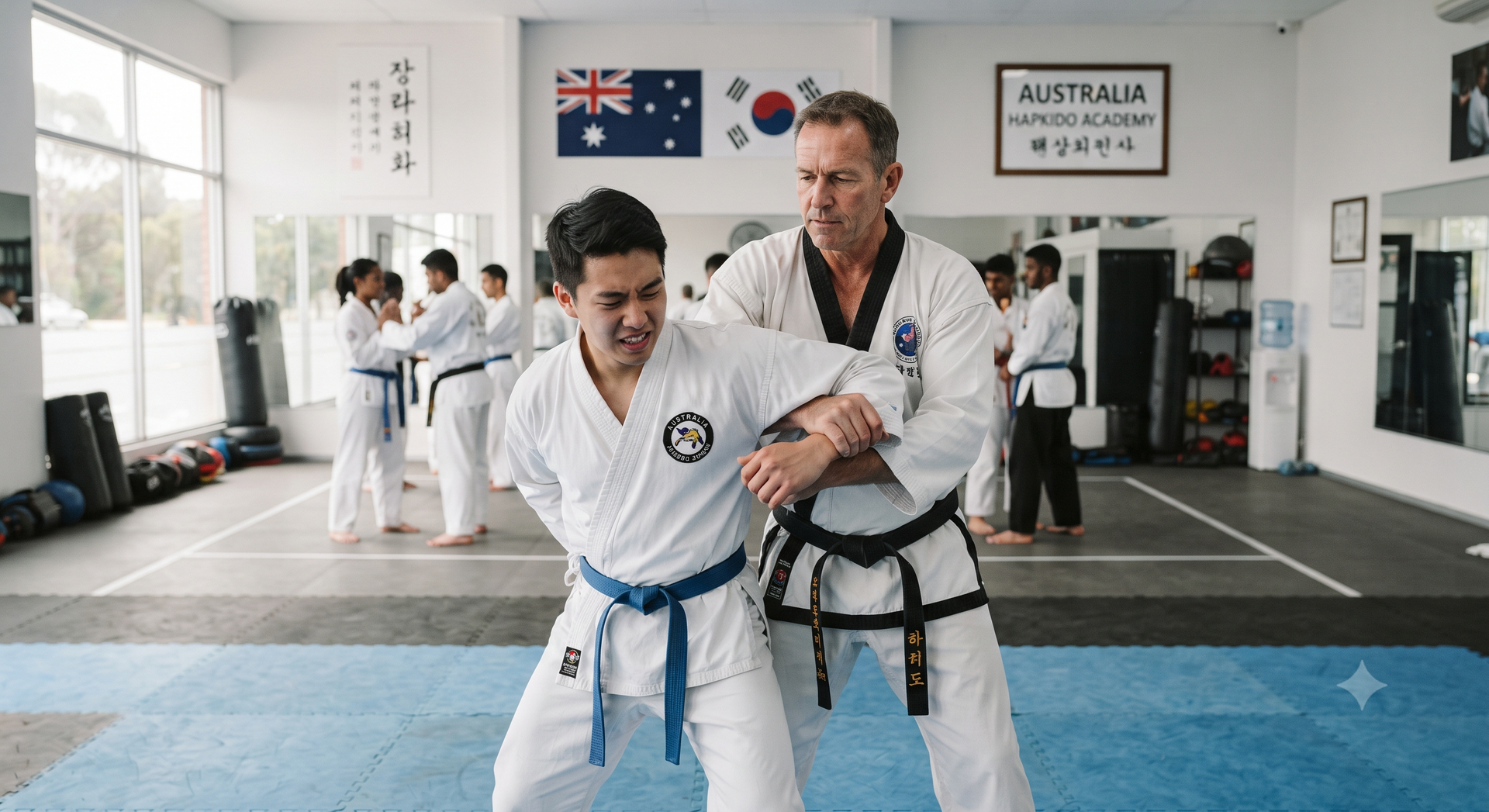
If practical self-defence capability is your primary goal, look for systems with significant partner training against resistance — not just solo forms or non-resisting partners. Hapkido, Krav Maga, BJJ, Muay Thai, and MMA all develop genuine self-defence capability through pressure testing. Traditional systems like Kung Fu, Karate, and Tang Soo Do can also develop real self-defence capability, but the quality varies more between schools — look for schools that include realistic application training, not just forms.
Physical Fitness and Athletic Development
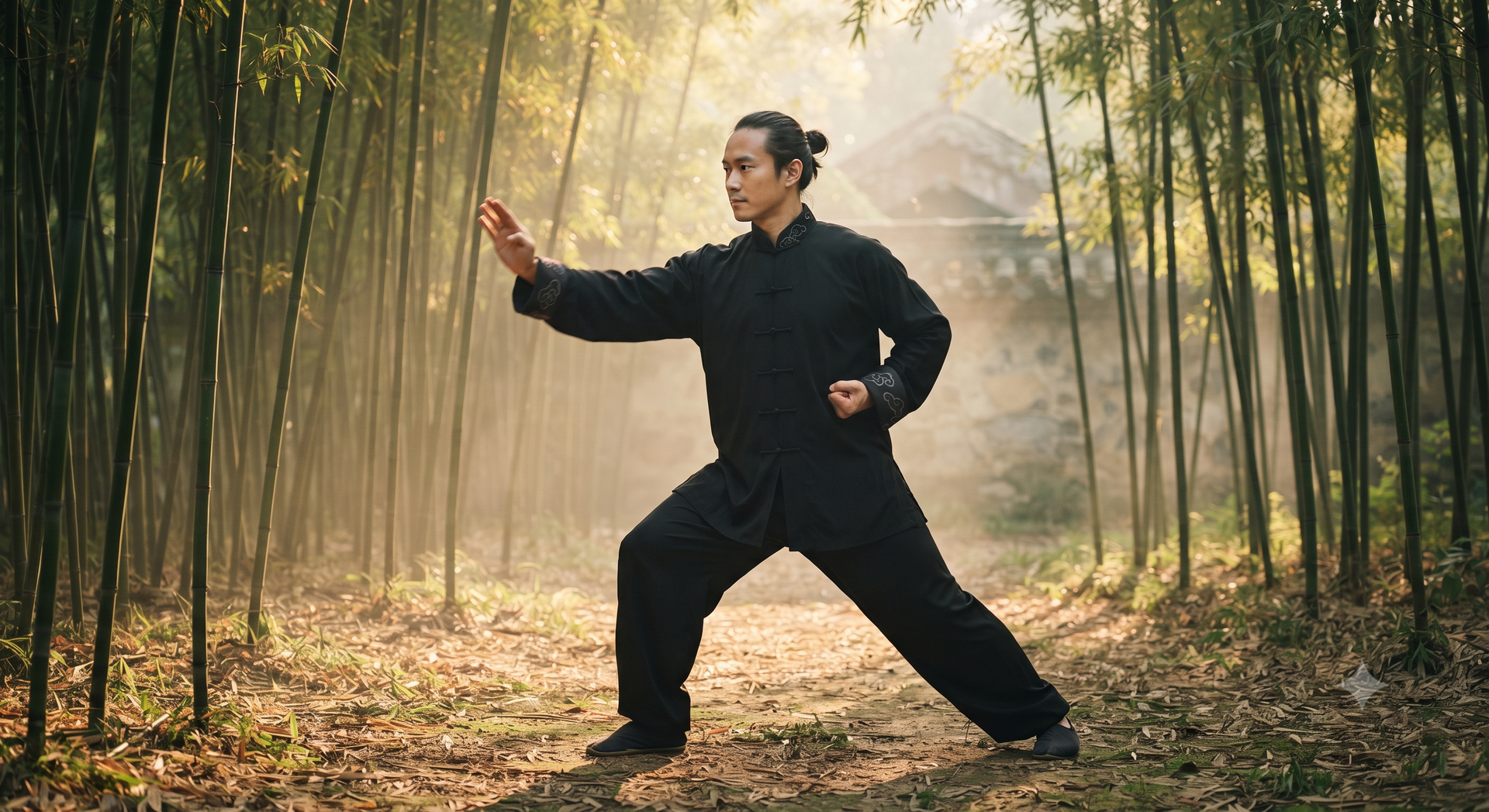
If fitness and physical development are the primary draw, almost any active martial art will serve you well — but some are more physically demanding than others. Wushu, Taekwondo, Muay Thai, and Wrestling-based systems demand high levels of cardiovascular fitness and athletic development. Tai Chi and softer Kung Fu systems offer different physical benefits — improved balance, coordination, and functional movement — but less cardiovascular intensity.
Competition and Sport
If competition is a goal, look for arts with active competition structures at your target level. Taekwondo offers the Olympic pathway and a well-organised competitive structure for students of all ages. BJJ has one of the most accessible and active competition scenes globally. Boxing, Kickboxing, Muay Thai, and Wrestling all have robust competitive structures. Traditional martial arts competitions (kata, forms, sparring) also exist within their respective governing body structures.
Personal Development and Philosophy
If you are drawn to martial arts as a path of personal development — discipline, character building, philosophical depth, stress management — traditional systems tend to offer the richest frameworks. Tang Soo Do, Shaolin Kung Fu, Tai Chi, Hapkido, and traditional Karate schools all have explicit philosophical dimensions that more sport-focused systems often lack. Look for schools where the instructor can speak clearly about the why of training, not just the how.
Children's Development
For children, the quality of the instructor and the school environment matters more than the specific style. The best children's martial arts school is the one that maintains safe, positive training culture, challenges children appropriately for their age and development, builds confidence without arrogance, and communicates effectively with parents. That said, Taekwondo, Karate, and structured Kung Fu programs are particularly well-suited to children's development due to their clear progression systems and emphasis on discipline and respect.
Step Two: Understand Your Learning Style
Different martial arts reward different kinds of learners. This is underappreciated but important:
- Analytical, principle-focused learners tend to thrive in Wing Chun, Hapkido, or Tai Chi — systems where understanding the underlying principles is central to progress.
- Athletic, physically-oriented learners often gravitate toward Taekwondo, Wushu, Muay Thai, or BJJ — systems where physical performance is the primary metric of progress.
- Historically and culturally curious students often find Shaolin Kung Fu, Tang Soo Do, or traditional Karate most rewarding — systems where the cultural and historical context deepens the meaning of practice.
- Pragmatic, results-focused students often prefer Krav Maga, Boxing, Muay Thai, or BJJ — systems with direct, measurable combat application.
- Students seeking community and longevity in their practice often flourish in Tai Chi, traditional Kung Fu, or Aikido — systems where lifelong practice and the development of a teacher-student community are central values.
Step Three: Visit Schools, Not Just Websites
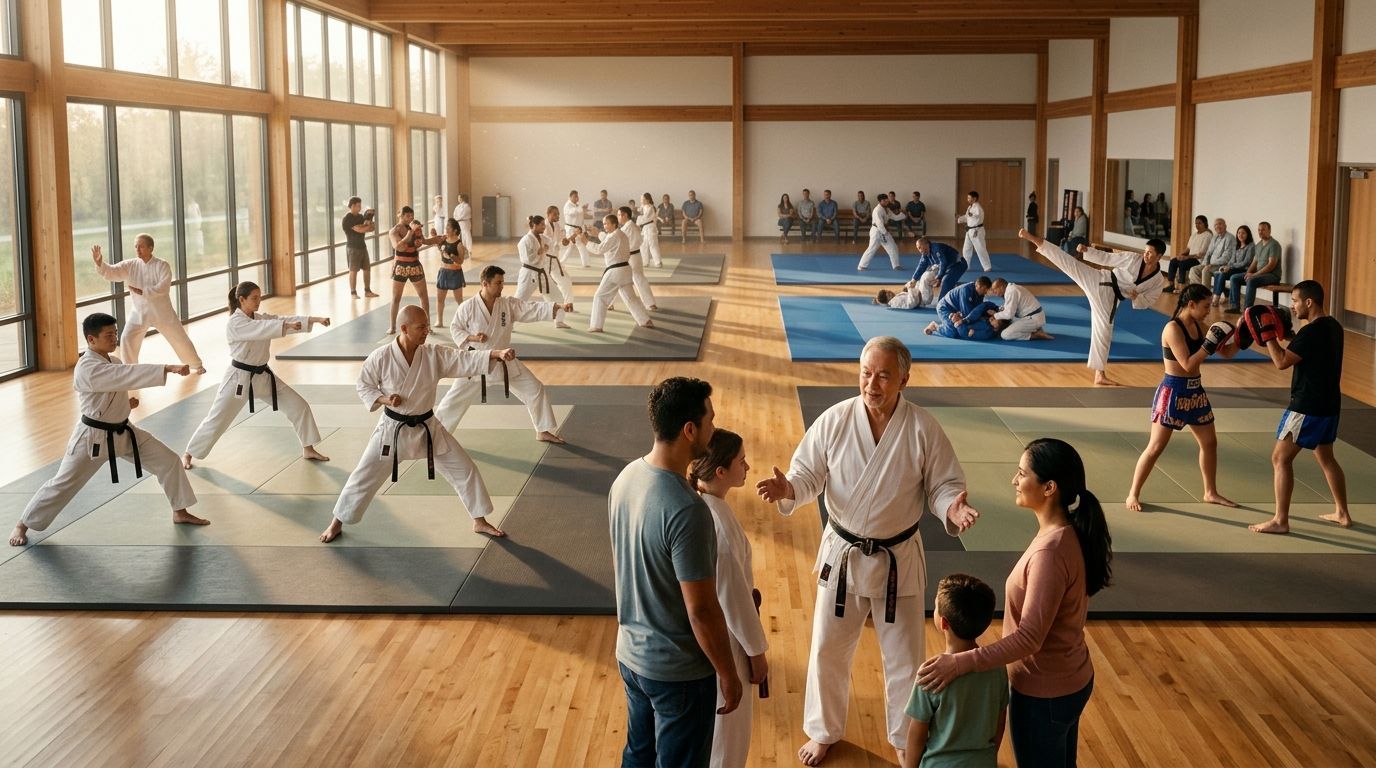
Every style has good schools and poor ones. The instructor is more important than the art. Here is what to look for when you visit:
- Does the instructor demonstrate genuine competence — not just talk about it? Can they show, not just tell?
- Does the school maintain clear safety standards? Is protective equipment appropriate and in good condition?
- Do existing students appear to be developing — not just performing for visitors?
- Is the culture of the school positive? Are senior students supportive of beginners, or dismissive?
- Does the instructor have verifiable credentials? Are they affiliated with a recognised association or governing body?
- Can the instructor clearly explain what they teach and why — including the philosophy behind the system, not just the techniques?
The Role of MAA's Club Directory
At Martial Arts Australia, our club directory exists precisely to make this process easier. Every club listed in our directory operates under the MAA Code of Practice, meeting minimum standards for instructor qualifications, current insurance, and safe training environments. Student reviews allow you to read the experiences of other practitioners before you commit.
The directory is searchable by style, location, and postcode — allowing you to identify quality options near you without needing to navigate the full complexity of the martial arts landscape alone. If you know what style interests you, you can search directly. If you are still deciding, you can browse clubs near you and request trial classes across different styles.
A Final Word: Start
The most common mistake people make when choosing a martial art is spending too long deciding. Analysis paralysis is real, and it keeps people from beginning a practice that could genuinely improve their life. The truth is that a year of committed training in any quality school will teach you more about which art is right for you than any amount of research.
Find a reputable school with a qualified instructor, commit to three months of consistent practice, and allow yourself to be genuinely open to what the training shows you. The right art, practised in the right school under the right instructor, will reveal itself quickly enough. What matters most is taking the first step.
Martial Arts Australia is here to help you find that first step — and to support your journey at every stage beyond it.