Understanding the Diversity of Martial Arts
This is a subtitle for your new post
Understanding the Diversity of Martial Arts
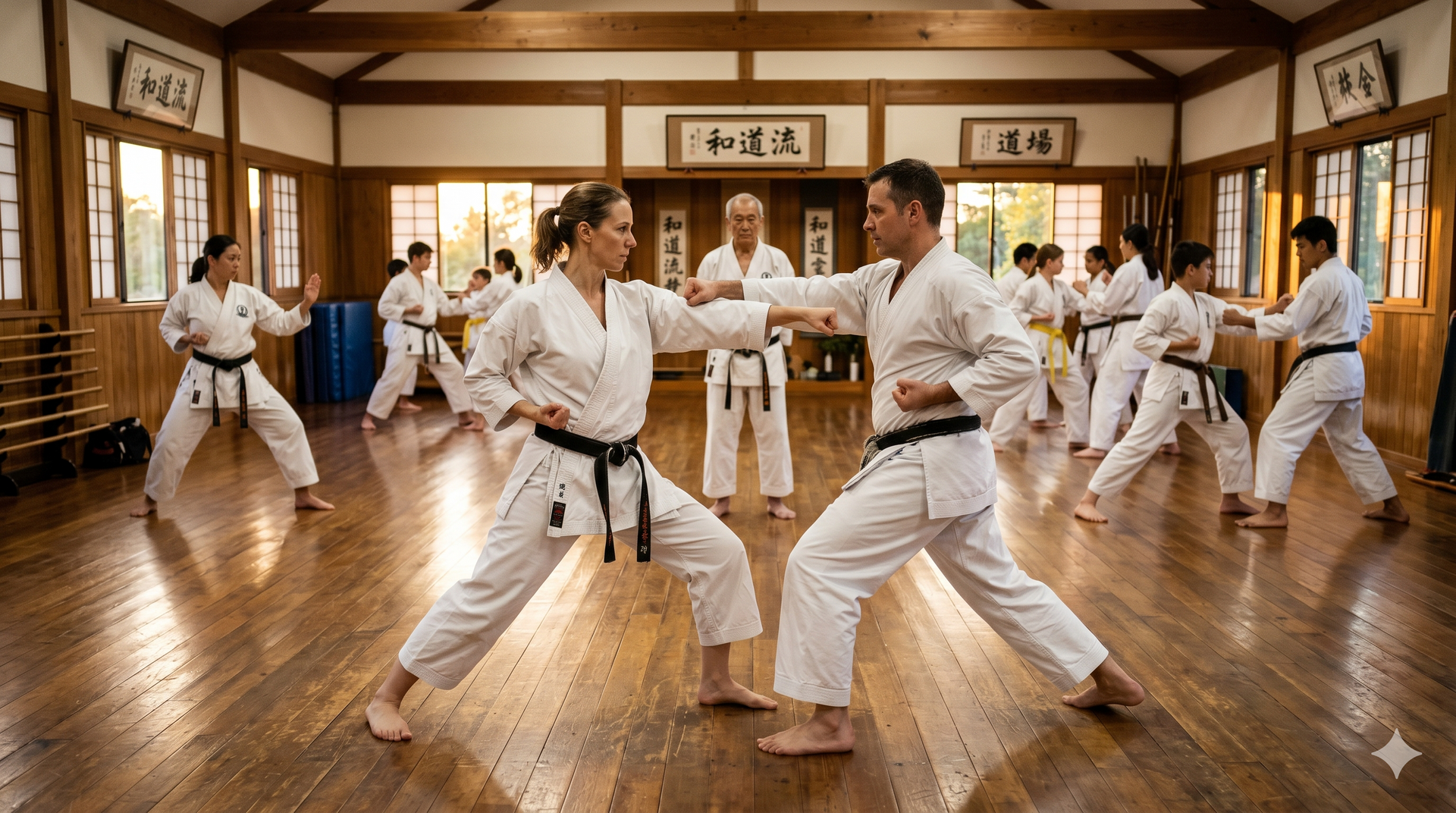
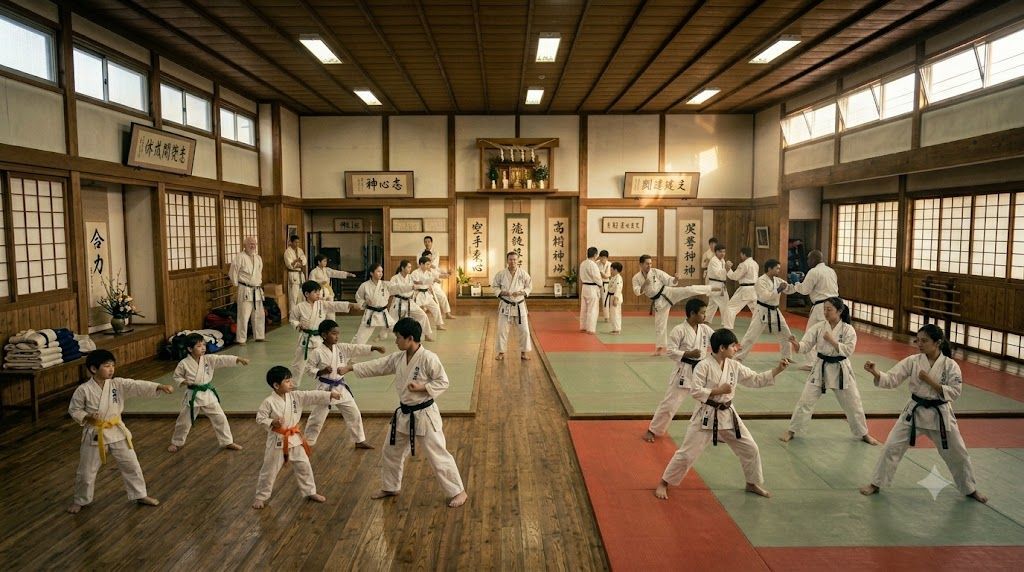
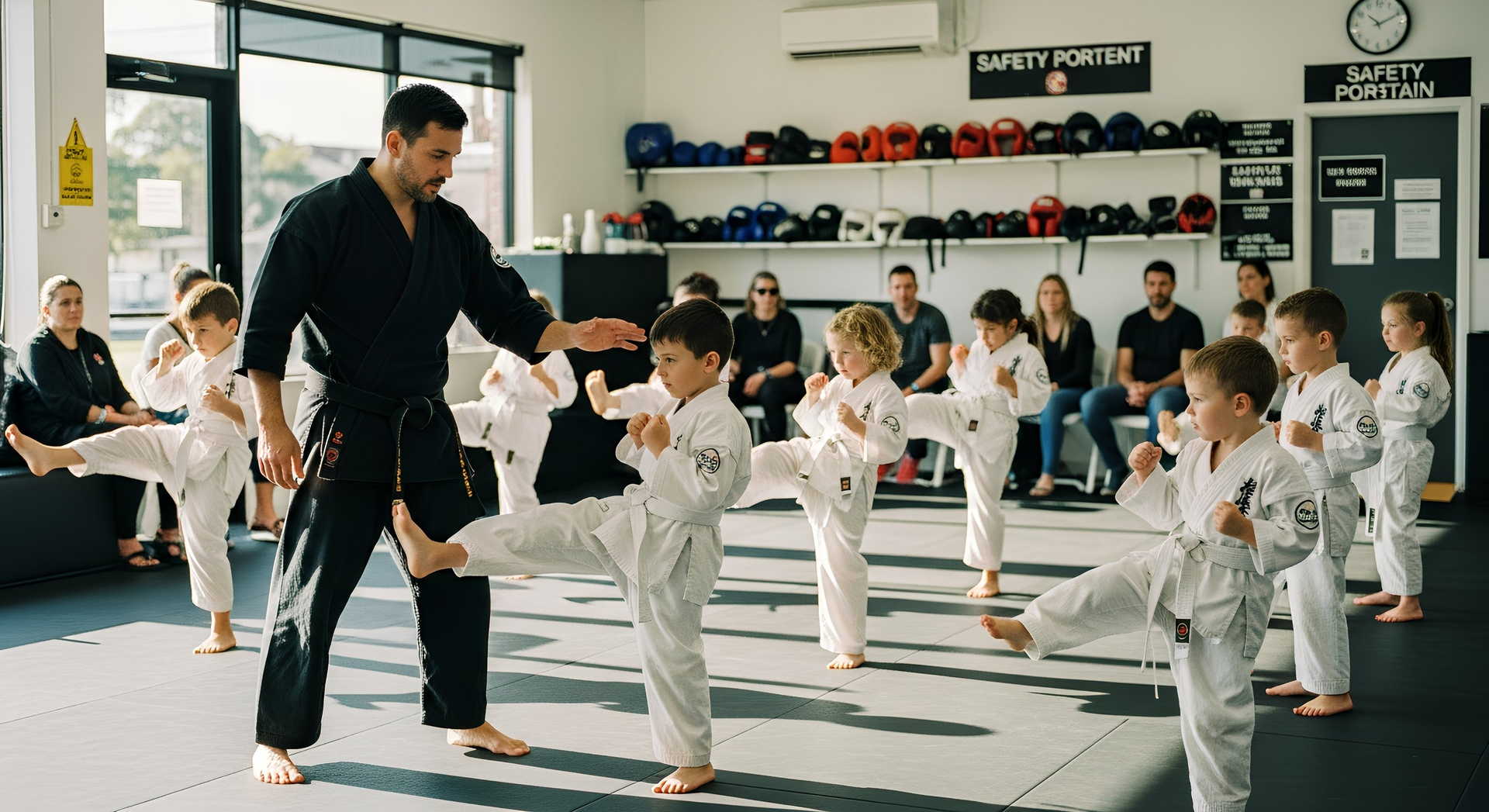
If you walk into any martial arts school across Australia on a Tuesday night, you’ll witness a scene that is both deeply familiar and remarkably unique. In one suburb, you might see the crisp, white uniforms of a Shotokan Karate class moving in perfect, powerful unison. Five kilometres away, a group might be practicing the slow, rhythmic flow of Tai Chi in a local park. Elsewhere, a high-energy Taekwondo class is focused on the snap of a roundhouse kick, while a Wing Chun practitioner is working on the quiet, tactile sensitivity of
Chi Sao.
To the uninitiated, these scenes might look like entirely different worlds. But to those within the community, they are all threads in the same rich, global tapestry.
For years, the martial arts world has occasionally been distracted by the "style vs. style" debate—an attempt to find a singular "best" way to train. However, as our community matures, we are seeing a shift toward a much more nuanced perspective: the understanding that every style has inherent value. This isn't just a polite sentiment; it is a recognition that martial arts systems evolved to solve different human problems.
This article serves as the opening chapter of a long-term educational project by Martial Arts Australia. Our goal is to explore the history, philosophy, and technical beauty of the world’s many systems, moving away from division and toward a culture of mutual respect.
The Roots of Diversity: Why We Don’t All Move the Same Way
The sheer variety of martial arts can be overwhelming. Why are some styles low and rooted, while others are upright and mobile? Why does one focus on breathing and another on impact?
The answer lies in history and geography. Martial arts did not develop in a vacuum; they were shaped by the specific challenges of the societies that created them.
- Culture and Warfare: Systems designed for the battlefield, where soldiers wore heavy armour, naturally prioritised stability and weapons-based movements. Conversely, systems that emerged for civilian self-defence in crowded marketplace settings often focused on close-quarters grappling and quick, deceptive strikes.
- Geography: Terrain plays a hidden role in how we move. Styles developed in mountainous regions often emphasise strong legs and balance, while those from softer, flatter ground might allow for more expansive footwork.
- Philosophy and Religion: Many arts were influenced by Zen Buddhism, Taoism, or Confucianism. For these systems, the goal wasn't just physical victory, but spiritual cultivation. The movement became a form of "moving meditation," where the focus was on the internal state of the practitioner as much as the external technique.
When we understand why a style looks the way it does, the "better or worse" argument fades away. We begin to see a Hapkido joint lock or a Wushu form not as a competing product, but as a sophisticated solution to a specific historical or personal need.
The Modern Practitioner: A Journey of Many Paths
In the past, a student might have joined a local club simply because it was the only one in town. Today, Australians have incredible access to a world of traditions. What’s interesting is that while most people start for a singular reason—fitness, for example—they often stay for reasons they never anticipated.
The Physical Layer: Fitness and Function
For many, the journey begins with the body. Martial arts offers a unique kind of "functional" fitness that a gym workout rarely matches. It’s about coordination, explosive power, and flexibility. A teenager might find their athletic identity in the high-kicking demands of Taekwondo, while an older adult might find that Tai Chi provides a path to mobility and balance that preserves their joints and improves their quality of life.
The Mental Layer: Discipline and Resilience
Beyond the physical, there is the "hidden" curriculum of the dojo. Martial arts is one of the few environments left in modern life where we are encouraged to fail, learn, and try again in a safe, structured way.
- Confidence: This isn't about arrogance; it’s the quiet self-assurance that comes from knowing you can handle physical and mental pressure.
- Focus: In an age of digital distraction, the requirement to be "present" during a kata or a sparring session is a powerful mental reset.
- Emotional Control: Learning to keep a cool head when you are tired or frustrated is a skill that translates directly to the boardroom, the classroom, and the home.
Understanding the Focus Areas
To appreciate the diversity of styles, it helps to look at where they place their emphasis. While most comprehensive systems touch on everything, every school usually has a "north star" that guides its training.
1. The Self-Defence Focus
Some systems are built from the ground up for practical, real-world application. They prioritise efficiency over aesthetics. You’ll see this in styles like Wing Chun, which focuses on centreline control and economical movement, or Hapkido, which uses an opponent's energy against them through redirection and joint manipulation. For these practitioners, the value lies in situational awareness and the ability to end a conflict as quickly as possible.
2. The Competition and Sport Focus
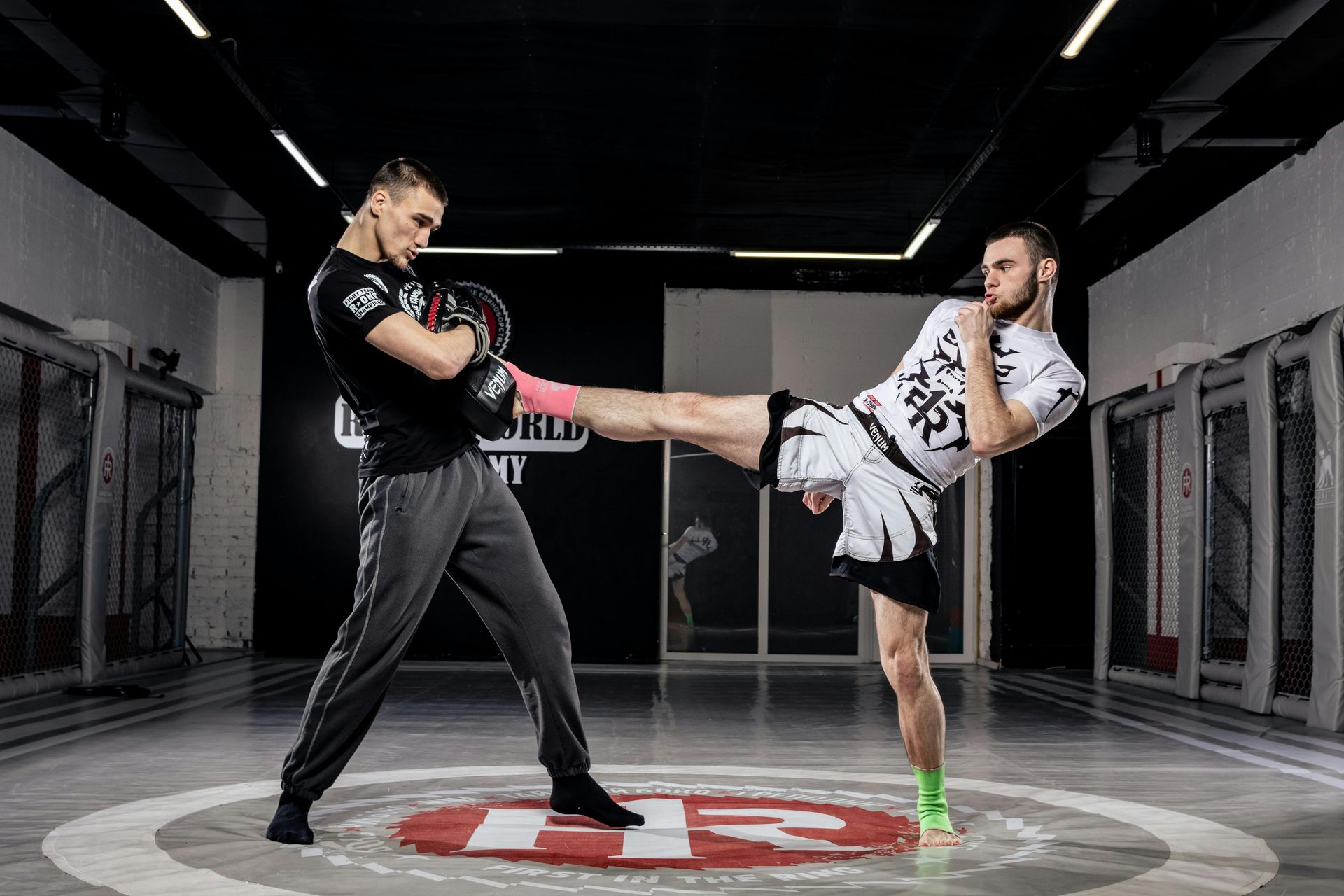
Others have evolved into highly sophisticated sporting structures. Taekwondo, Kyokushin Karate, and Wushu have all developed tournament formats that push the limits of human athleticism. Competition isn't just about winning medals; it’s a laboratory for testing timing, speed, and mental toughness under high-pressure conditions. It has also been the primary way martial arts has been introduced to the wider global public.
3. The Health and Wellness Focus
For some, the "art" is a path to longevity. Tai Chi is perhaps the most famous example, but many traditional systems include "internal" components that focus on breathing, posture, and the cultivation of energy. The value here is in the long-term maintenance of the human machine—keeping the body supple and the mind calm well into old age.
4. The Traditional and Philosophical Focus
Many schools see themselves as the custodians of history. They preserve the lineage of the founders, the traditional etiquette, and the philosophical teachings that have been passed down for generations. Styles like Shotokan or Shaolin Kung Fu often maintain strict traditional frameworks. For these practitioners, the value is in the connection to something larger than themselves—a lineage that stretches back through time.
Deep Dive: The Evolution of Karate
Karate is a perfect example of how one "root" can grow into a forest of diverse styles. Originating in Okinawa as a blend of local traditions and Chinese influences, it eventually migrated to mainland Japan and then the world.
- Kyokushin: Known for its "Full Contact" philosophy, it prioritises physical toughness and the ability to endure.
- Goju Ryu: A beautiful blend of "hard" and "soft," focusing on close-range fighting and deep, circular breathing.
- Shotokan: Characterised by long, deep stances and powerful, linear techniques, it emphasises discipline and fundamental perfection.
- Wado Ryu: A unique blend that incorporates Japanese Jujutsu, focusing on evasion and body shifting rather than just meeting force with force.
Each of these styles is "Karate," yet the experience of training in a Kyokushin dojo is vastly different from a Wado Ryu dojo. Neither is "more" Karate than the other; they are simply different interpretations of the same fundamental principles.
Deep Dive: The Breadth of Chinese Kung Fu
If Karate is a forest, Kung Fu is an entire ecosystem. The term "Kung Fu" (or Wushu) covers hundreds of distinct styles.
- Southern Styles: Often characterised by strong, stable stances and intricate hand techniques (like Hung Ga), reflecting the crowded environments and boat-based living of southern China.
- Northern Styles: Known for being expansive, acrobatic, and kicking-heavy, taking advantage of the open spaces of the North.
- Wing Chun: A system of "applied geometry," focusing on the most direct path to the target.
- Tai Chi: A sophisticated system of movement that hides powerful martial applications behind a facade of slow, gentle motion.
The diversity of Chinese arts reminds us that there is no single "correct" way for a human being to move. There is only the movement that fits the individual and their goals.
The Korean Tradition: Precision and Power
Korean martial arts have a distinct energy. Taekwondo is world-renowned for its kicking dexterity and its status as an Olympic sport, but the Korean tradition is much broader. Tang Soo Do maintains a strong link to traditional values and structured progression, while Hapkido provides a comprehensive self-defence framework. These styles represent a commitment to high-level athleticism and a rigorous "never give up" spirit that has resonated with millions of practitioners worldwide.
A Culture of Respect: The Martial Arts Australia Vision
At Martial Arts Australia, we believe that the healthiest thing for our industry and our community is a culture of mutual respect. When we understand that the instructor down the road isn't a "competitor" in a zero-sum game, but a fellow educator teaching a different chapter of the same book, everyone wins.
No martial art survives for centuries without offering something meaningful to the human condition. Every style contains lessons in history, every style preserves a unique piece of culture, and every style has the power to change a life for the better.
Finding Your Personal Journey
If you are at the beginning of your journey, our advice is simple: Explore.
Don’t worry about finding the "deadliest" or the "most authentic" style. Look for the school that resonates with your personal goals. Look for the instructor who inspires you. Look for the community where you feel both challenged and supported.
Whether you choose the structured discipline of Karate, the fluid grace of Kung Fu, the athletic heights of Taekwondo, or the practical focus of a self-defence system, you are embarking on a path of self-discovery that has no finish line.
Join the Conversation
This article is just the beginning. Over the coming months, we will be building an educational archive—a library of sorts—that dives into the founders, the techniques, and the modern evolution of these incredible arts. We want to help students find the right schools and help instructors share the beauty of their traditions with a wider audience.
Martial arts is a personal journey, but it is one we take together. Every style has value. Every practitioner has a story. And every mat is a place of growth.
Ready to find your path? If you’re looking to begin your journey or want to explore a new tradition, we invite you to use the Martial Arts Australia directory to connect with legitimate, high-quality schools across the country.
Explore the Club Directory Here
Martial Arts Masters Blog