Why Parents Should Consider an MAA-Aligned School
Running a martial arts school in Australia is rewarding — but it is also demanding.
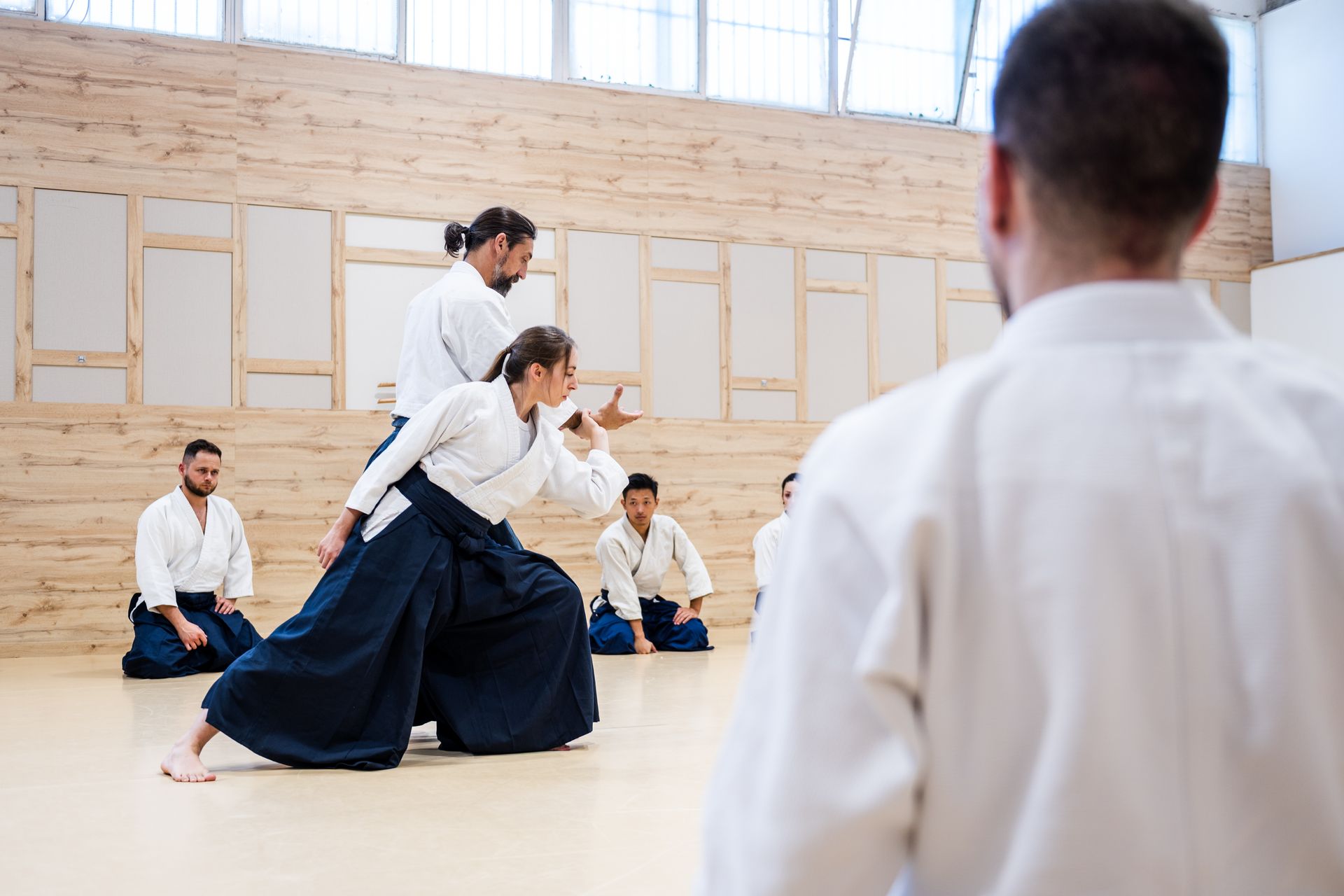
When selecting a martial arts program for your child, alignment with a recognised industry body such as Martial Arts Australia provides an additional layer of reassurance.
A peak industry body supports standards, governance, and structured development across the Australian martial arts sector.
For parents, this means looking beyond the style — and focusing on whether the school operates within a professional framework.
What an MAA-Aligned School Demonstrates
An aligned school typically demonstrates:
- Structured governance
- Recognised instructor validation
- Industry-standard insurance alignment
- Clear operational policies
- Professional conduct expectations
This does not mean independent schools cannot operate professionally — but alignment signals participation in an organised industry framework.
For parents, structure reduces uncertainty.
Safety Standards and Risk Management
When children participate in martial arts, risk management is critical.
Aligned schools are encouraged to implement:
- Documented safety protocols
- Incident reporting systems
- Age-appropriate curriculum segmentation
- Supervision ratio awareness
- Concussion management awareness (where relevant)
Parents should feel confident that safety is embedded in the school’s operations — not improvised.
Structured systems demonstrate preparedness.
Instructor Accountability
In any youth activity, instructor credibility matters.
Aligned instructors operate within a broader professional framework, which supports:
- Recognition of qualifications
- Ongoing development
- Industry engagement
- Clear conduct expectations
Accountability strengthens professionalism.
When instructors operate within structured systems, standards are clearer and expectations are defined.
Insurance Alignment and Operational Stability
While parents are not typically involved in insurance decisions, it remains an important background consideration.
Alignment supports access to industry-specific insurance pathways structured for martial arts operations — including programs teaching children.
This reduces the risk of inappropriate or generic coverage.
Parents may not ask about policy wording — but professional structuring behind the scenes contributes to operational stability.
Stability protects students.
Governance Matters More Than Style
Parents often compare:
- Karate vs Taekwondo
- Judo vs Jiu-Jitsu
- Traditional vs Modern systems
While style influences training format, governance influences safety and sustainability.
An aligned school signals participation in an organised industry framework — which supports:
- Ethical conduct
- Structured business practices
- Clear operational standards
That matters long term.
Questions Parents Should Ask Any School
Regardless of style, consider asking:
- Are you aligned with a recognised martial arts body?
- Do instructors hold current Working With Children clearance?
- What safety procedures are in place?
- How are injuries documented and managed?
- Is there structured progression for children?
Transparent answers demonstrate professionalism.
Prepared schools welcome these questions.
Long-Term Development Perspective
Martial arts training for children is not only about self-defence or fitness.
It can develop:
- Discipline
- Focus
- Emotional regulation
- Respect
- Confidence
- Resilience
When delivered within a professional framework, these benefits are amplified.
Aligned schools operate within networks that value structured development and industry advancement.
Final Consideration for Parents
Choosing the best martial art for your child is less about which style looks impressive — and more about which school operates responsibly.
Alignment with Martial Arts Australia provides an additional signal that the school participates in a recognised industry structure.
For parents, this can offer reassurance that:
- The school is professionally positioned
- Governance is considered
- Industry standards are acknowledged
- Compliance expectations are understood
Style determines technique.
Structure determines sustainability.
Prioritise professionalism first — then choose the style that fits your child’s personality and interests.
How Martial Arts Australia Supports School Owners at Every Stage of Growth
Running a martial arts school in Australia is rewarding — but it is also demanding.
Beyond teaching classes, school owners manage compliance, insurance, child safety requirements, memberships, risk management, marketing pressures, staffing, and long-term sustainability.
Many instructors begin with technical expertise and passion. Few begin with structured business support.
This is where a structured industry framework plays a practical role — not as a controlling authority, but as a support system designed to assist instructors at every stage of their journey.
Stage 1: The New Instructor Starting Out
When an instructor decides to open their first school, the immediate challenges are often overwhelming:
- Choosing a business structure
- Securing insurance
- Understanding Working With Children obligations
- Drafting membership agreements
- Leasing a venue
- Setting class pricing
For someone who has trained for years but never operated a business, the shift can be significant.
Structured guidance at this stage helps new school owners understand:
- What is required to operate properly
- What common mistakes to avoid
- How to structure governance early
- Where insurance fits within operations
Starting properly builds stability.
Stage 2: Early Growth and Stability
Once a school begins enrolling students, new pressures emerge:
- Increasing class sizes
- Assistant instructor management
- Junior program expansion
- Risk management documentation
- Insurance reviews
Growth introduces exposure.
Ongoing industry guidance at this stage provides:
- Clarification on compliance changes
- Support around operational structure
- Access to a broader professional network
Instead of navigating growth in isolation, school owners operate within a structured environment.
Support becomes more valuable as complexity increases.
Stage 3: Expanding Operations
As schools grow further, owners may consider:
- Multiple locations
- Hosting tournaments
- Expanding into school-based programs
- Increasing staff numbers
- Formalising governance systems
At this stage, operational decisions carry greater financial and legal impact.
Structured support helps instructors understand:
- Risk implications of expansion
- Insurance considerations
- Governance adjustments required
- Child safety obligations across broader operations
Expansion with structure protects sustainability.
Supporting Compliance in a Changing Environment
Australian compliance standards continue to evolve — particularly in areas such as:
- Child safety
- Workplace health and safety
- Data privacy
- Insurance structuring
For independent instructors, staying updated can be difficult.
Ongoing industry awareness helps school owners:
- Understand their obligations
- Avoid compliance gaps
- Maintain professional standards
Proactive awareness reduces reactive correction.
Supporting Child Safety Best Practice
Teaching children carries increased duty of care.
Structured industry support reinforces:
- Working With Children compliance
- Appropriate supervision standards
- Risk management awareness
- Governance considerations
Parents are increasingly informed.
Schools must operate accordingly.
Professional child safety practices strengthen both protection and credibility.
Insurance Awareness and Alignment
Insurance is often misunderstood by instructors.
Structured guidance supports awareness of:
- Why Public Liability matters
- When Professional Indemnity is necessary
- How Personal Accident coverage protects instructors
- What should be declared to insurers
Access to industry-specific insurance pathways reduces the risk of inappropriate or incomplete cover.
Insurance alignment supports business continuity.
Providing a Professional Network
Running a martial arts school can feel isolating.
A professional network allows instructors to:
- Share operational insights
- Discuss governance challenges
- Learn from experienced school owners
- Feel supported within a broader community
Connection strengthens resilience.
Supporting Long-Term Sustainability
Short-term success in martial arts can come from strong instruction alone.
Long-term sustainability requires:
- Governance discipline
- Risk management
- Financial awareness
- Professional credibility
Structured industry support helps instructors maintain operational clarity as their schools evolve.
Guidance supports independence — it does not replace it.
Why Support Matters
Many instructors are highly skilled martial artists.
Few are formally trained in business risk management.
Support systems reduce blind spots.
When instructors feel supported, they make more informed decisions.
When decisions are informed, schools are more stable.
Stability protects reputation and longevity.
A Practical Perspective
A structured industry body exists to assist — not dominate.
Its function is practical:
- Support instructors
- Encourage structured governance
- Promote responsible operation
- Help schools navigate complexity
The Australian martial arts environment is evolving. Expectations are rising.
Having structured support at every stage of growth can make the difference between reactive operation and proactive leadership.
For school owners focused on long-term sustainability, support is not a weakness.
It is a strategic advantage.