Best Martial Arts for Kids in Australia: A Parent’s Practical Guide
Choosing a martial art for your child is not simply about picking a style — it is about choosing an environment that supports their physical development, confidence, discipline, and safety.
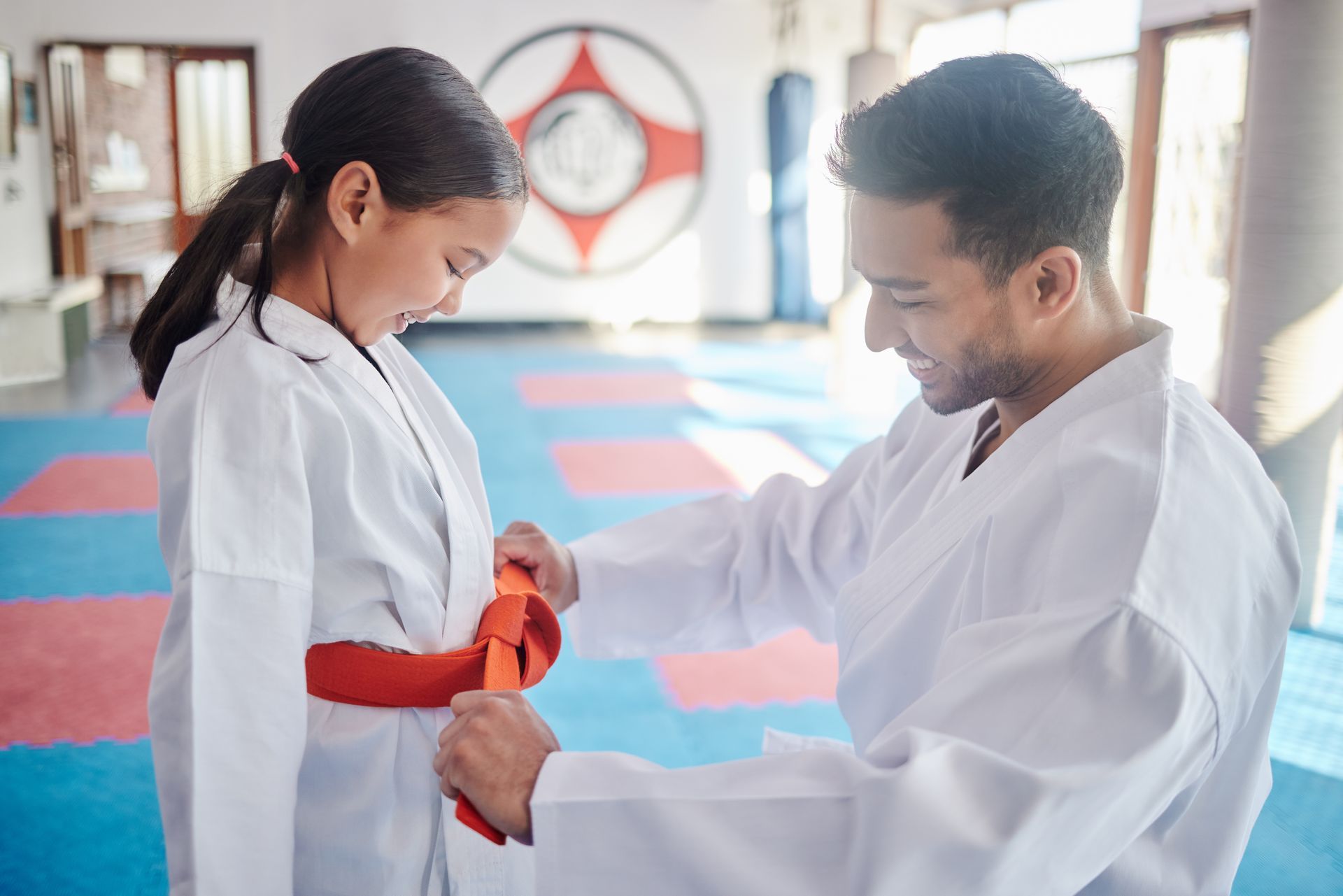
Australia has a diverse martial arts landscape. From traditional systems to modern combat sports, parents have many options.
The challenge is understanding which program suits your child’s personality, goals, and maturity level.
This guide provides a practical comparison framework so you can make an informed decision.
What Parents Should Prioritise First
Before comparing styles, focus on three foundational factors:
- Instructor professionalism
- Safety structure
- Class culture
The style matters — but governance and supervision matter more.
Ask:
- Is the instructor experienced and credentialed?
- Are Working With Children requirements met?
- Is First Aid certification current?
- Are classes structured and age-segmented?
- Is behaviour managed respectfully but firmly?
A well-run school in any discipline is usually better than a poorly structured program in a popular style.
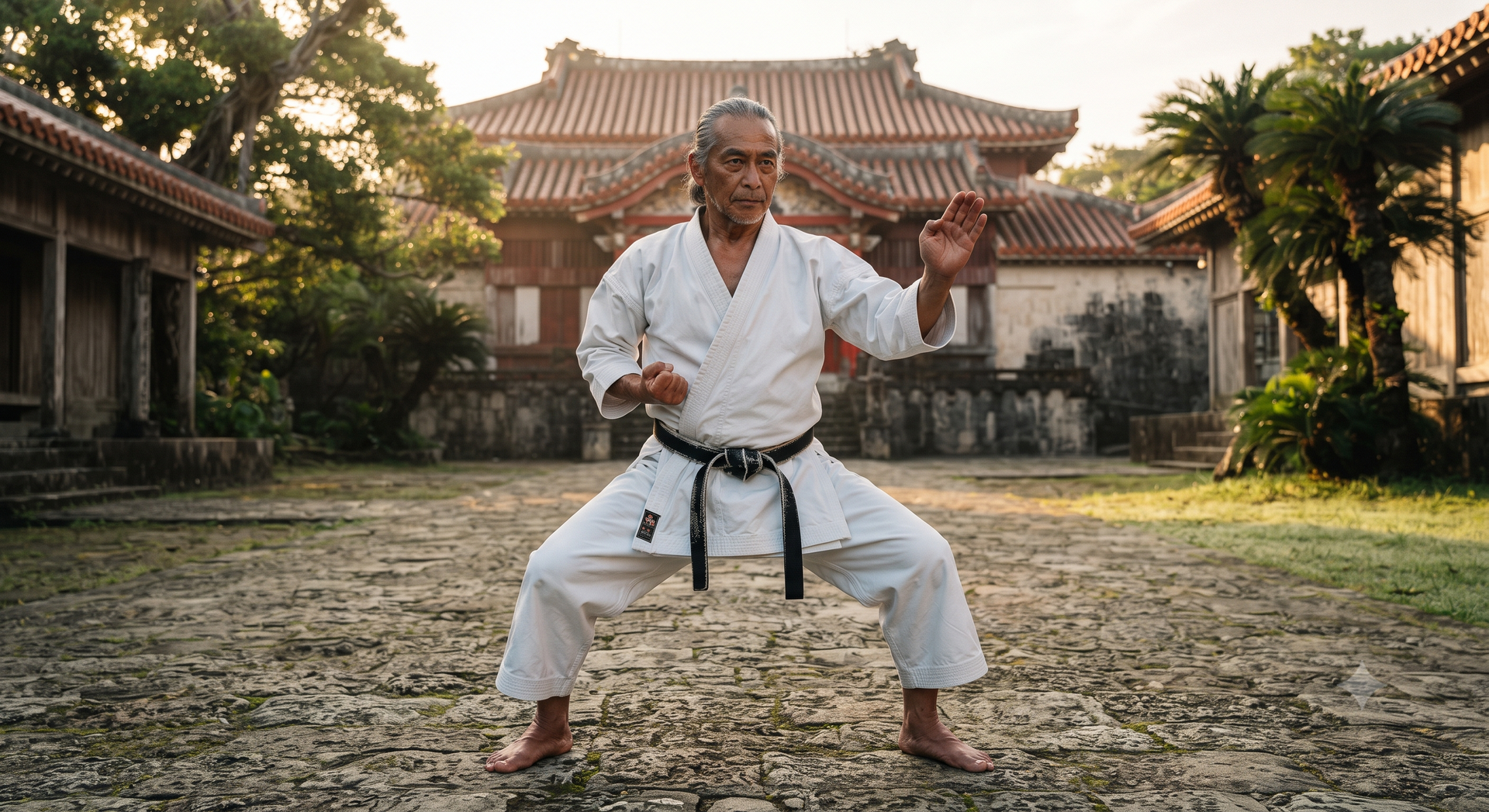
Karate – Structured Discipline and Foundations
Karate is widely available across Australia and often attracts younger beginners.
Typical characteristics:
- Structured classes
- Emphasis on respect and etiquette
- Gradual skill progression
- Balance of striking and forms practice
Karate programs often work well for children who benefit from routine, repetition, and clear boundaries. Many schools place strong emphasis on character development and focus.
Best suited for:
Children who need structure, confidence-building, and clear expectations.
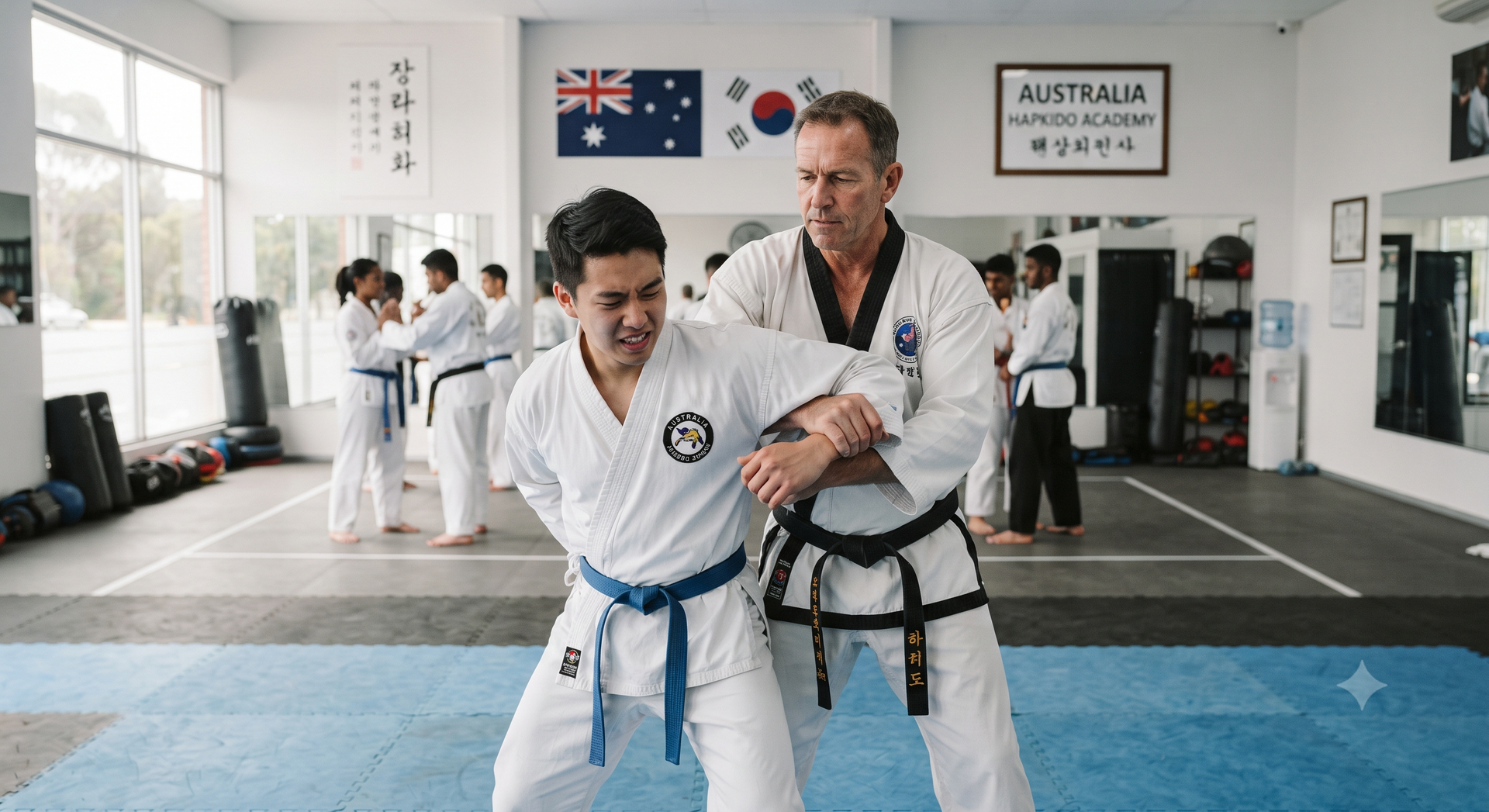
Taekwondo – Athletic and High-Energy
Taekwondo is known for dynamic kicking and strong physical conditioning.
Common features:
- High activity levels
- Flexibility training
- Competitive pathways (for those interested)
- Clear belt ranking system
Children who enjoy movement, speed, and visible progress often respond well to Taekwondo programs.
Best suited for:
Energetic children who enjoy athletic challenges and goal-oriented progression.
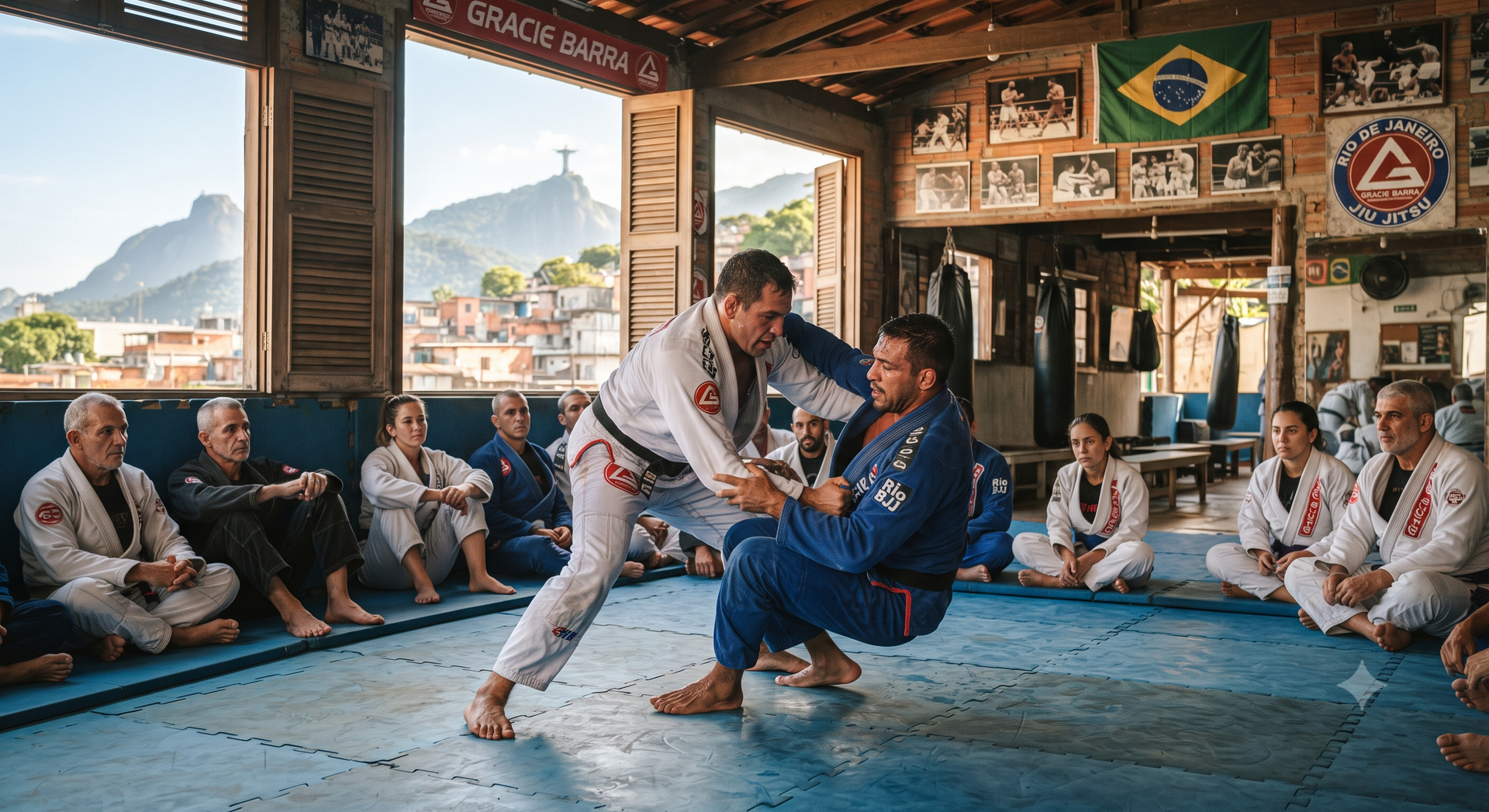
Brazilian Jiu-Jitsu (BJJ) – Technique and Problem-Solving
Brazilian Jiu-Jitsu focuses on grappling and ground control rather than striking.
Common features:
- Partner-based learning
- Emphasis on leverage and technique
- Controlled sparring (rolling)
- Strategic thinking
BJJ can be particularly beneficial for children who prefer close-contact sports or who may not feel comfortable with striking.
Best suited for:
Children who enjoy problem-solving, teamwork, and structured physical challenges.
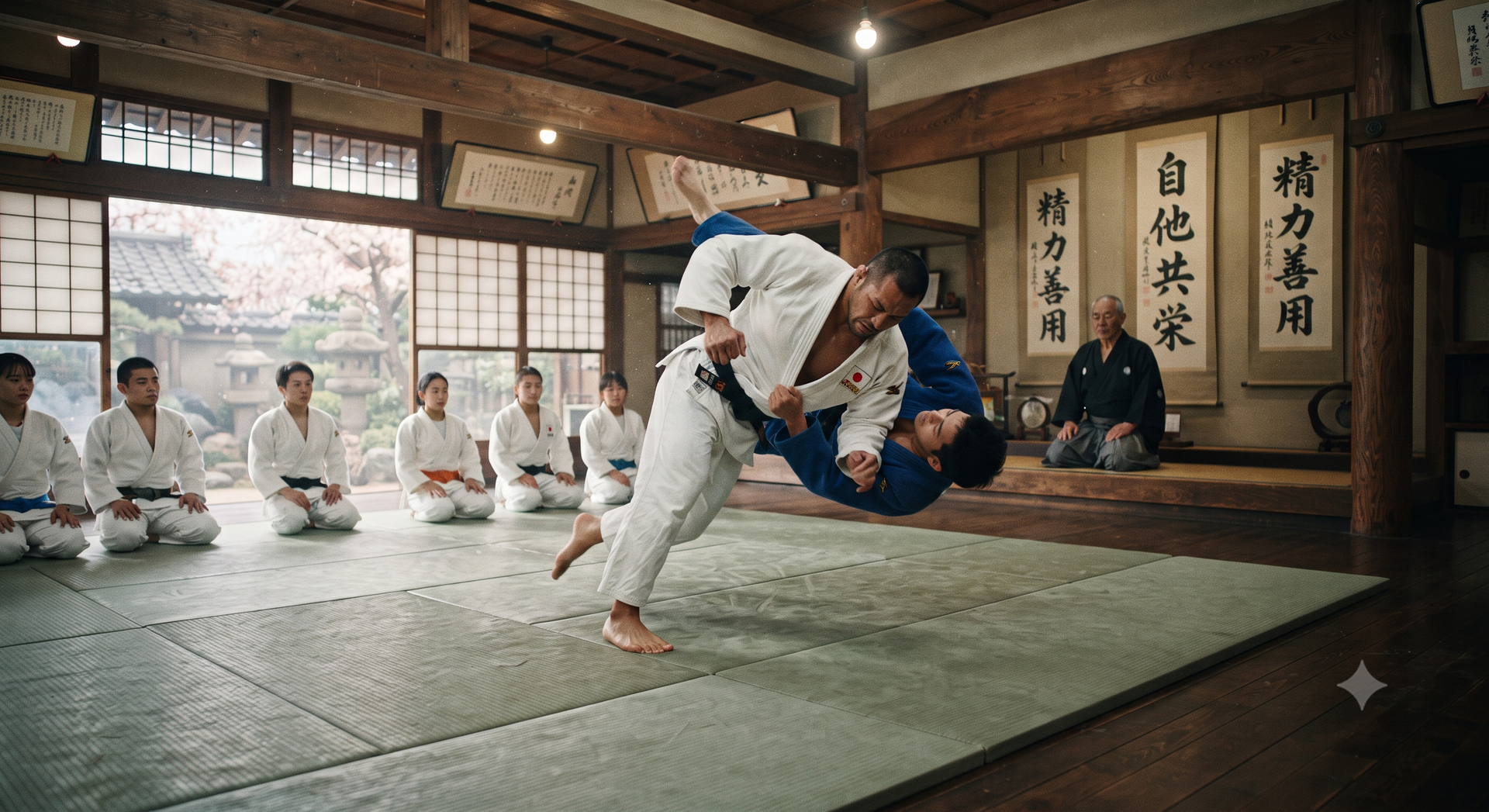
Judo – Balance, Throws and Control
Judo emphasises throws, balance, and controlled grappling.
Common features:
- Strong technical foundations
- Focus on respect and discipline
- Emphasis on safe falling techniques
- Olympic sport pathway
Judo teaches coordination, body awareness, and resilience.
Best suited for:
Children who enjoy structured learning and physical coordination challenges.
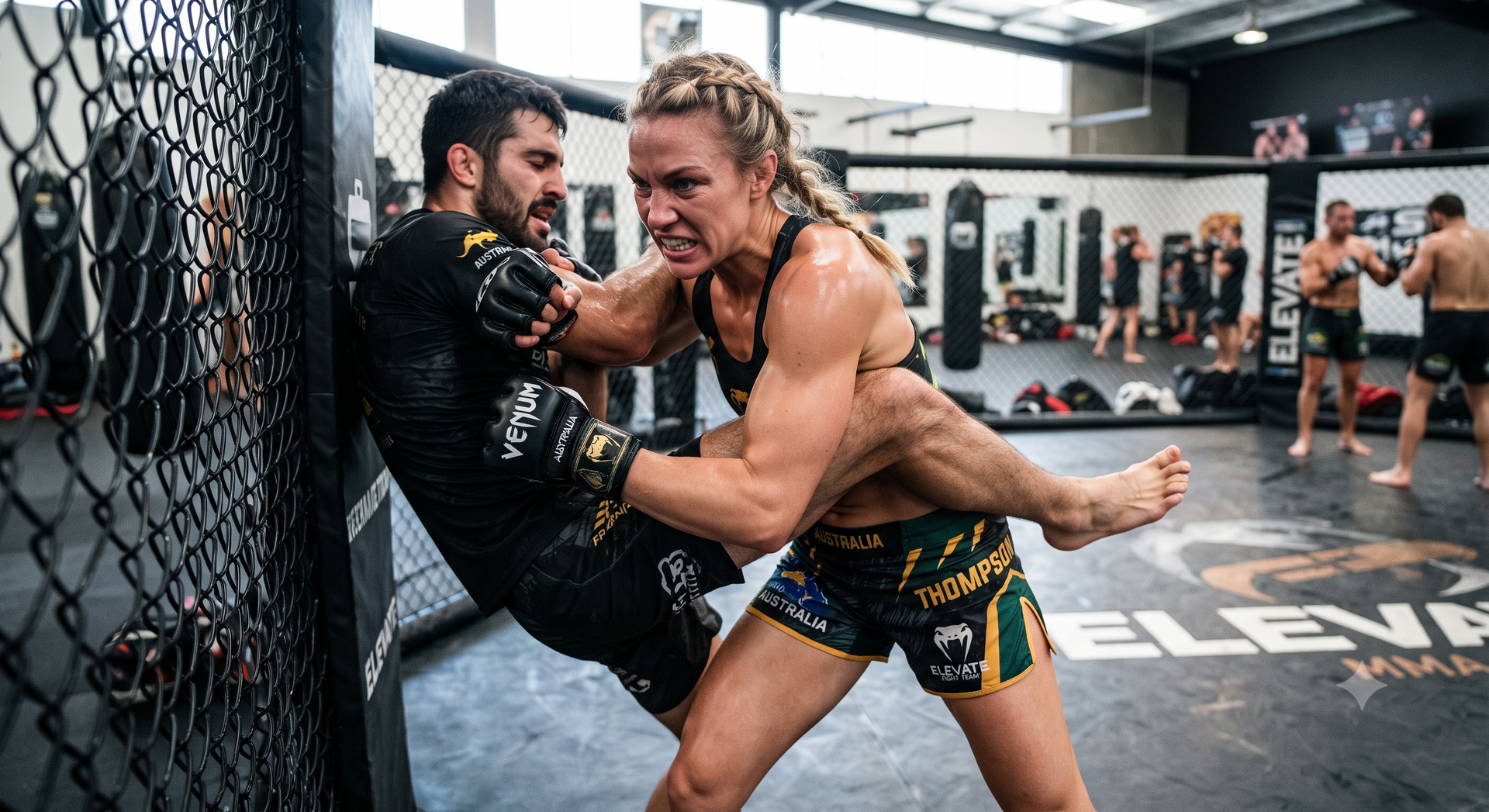
Mixed Martial Arts (MMA) – Combined Skill Sets
Some schools offer junior MMA programs that combine elements of striking and grappling.
Parents should ensure:
- Age-appropriate curriculum
- Strict safety protocols
- Controlled contact levels
- Qualified instructors
When properly structured, MMA programs can provide well-rounded exposure to multiple disciplines.
Matching the Style to Your Child
Consider your child’s temperament:
- Shy or hesitant → Structured, confidence-building programs
- Highly energetic → Athletic, movement-focused systems
- Analytical → Technique-heavy disciplines
- Competitive → Programs with tournament pathways
The best style is the one your child enjoys consistently.
Enjoyment supports long-term development.
Final Advice for Parents
The most important decision is not the style — it is the school.
Look for:
- Professional structure
- Clear safety procedures
- Qualified instructors
- Transparent communication
- Positive class culture
When these foundations are in place, almost any martial art can benefit your child.
Confidence, discipline, resilience, and respect develop best in environments that prioritise both skill and safety.
Choose structure first. Style second.