Australiasian Fighting Arts magazine Vol 9 No 6
Graham Slater • May 26, 2021
Australasian Fighting Arts magazine Vol 9 No 6 Continuing Traditions of Shotokai Karate From Karate-Do Shotokai Association Australia.
FOLLOWING MASTER Gichin Funakoshi in the style of Shotokan Karate (later to be formed Shotokai Soyu Juku) was senior Shigeru Egami. After the loss of these two masters came another, who is still active in training today Master Yasuo Ikeda, (passed away in 1994).
Master Yasuo Ikeda, who trained under Master Egami, is respected as the highest ranked practitioner of the Shotokai system today. After many years of teaching at universities and his other dojo's, Master Ikeda formed the Soyu Juku Karate circle.
Shotokai Karate is relatively unknown in Australia (Soyu Juku being just the club name ... ) It was introduced to Victoria (Swan Hill) about nine years (1976) ago by a local chemist, David Stynes who, while importing various products, visited Japan quite often. He then helped introduce the style into many country areas.
The Melbourne proponent of the style is Graham Slater, 2nd Dan, who studied many styles but eventually settled on Shotokai as the most suitable and effective for his personal taste and needs. He and his contemporaries practiced in the old, unevolved Shotokai style. However now, with the link with Swan Hill, a strong bond has been created with Japan and a 'new stronger style has resulted.
As instructor of the Melbourne group, Graham Slater has visited Japan twice now (1983 & 85), most recently with a group of Student for training and grade testing. The group of Victorian Karateka experienced three weeks of hard training but emerged from Japan feeling they had learned some important lessons. The Melbourne club has earned Ikeda Sensei's respect and interest, and he is now dispatching his organisation's Chief instructor, Kazunobu Maekawa, 5th Dan, for a month long series of training seminars and demonstrations.
Much of the Karate philosophy and practice of Shotokai Karate is expressed in Master Egami's books, 'The Heart Of Karate' (also known as 'The Way of Karate: Beyond Technique'). The emphasis is on suppleness and flexibility, and generating power with full hip/body movement, and not the half hip recoil action anymore ...
It is also interesting to note that Ikeda Sensei's rank the highest in the Shotokai system is Godan, or 5th Dan. This is because the Shotokai has retained the traditional system, in which Godan was the highest level of the grading hierarchy.
THE END
Australiasian Fighting Arts magazine Vol 11 No 1 Re-introducing our popular – and most requested – former regular feature covering the Martial Arts Stylescene By Graham Slater
IN DESCRIBING the technique of practitioners of the Shotokai style of Karate, one could superficially compare it to the Shotokan style. However, the mind expression is very different when it comes to the technique of Shotokai – which uses principals not unlike those of Aikido, with varied strikes, punching and kicking and so on.
Shotokai seeks to develop the spiritual side of Karate, with emphasis on flexibility, and the true thoughts that the body and mind are one – resulting in a more flexible mind.
The Kihon (basics and line work) is varied of course, but the type most often practiced is “by the count”. The instructor gives the go rei (call) and students proceed up and down the hall executing set techniques. Sometimes go rei is called softly and sometimes loudly. When the go rei is soft the technique is slow and more precise; when loud they are performed as quickly and with as much commitment as possible. The idea is for the student to anticipate the go rei of the instructor, and to move with or slightly before it. Their imagination is that the go rei represents an opponent attacking.
Kate practice involves around twenty different Kates (forms) and they are practiced many ways. The technical side, again, is similar to the Shotokan. Both systems perform Kata in methods such as 'One movement at a time', then 'by sequence'; straight through slow or fast'; or even ‘with eyes closed'. But unlike the Shotokan there is no Kiai (shout) on certain techniques nor is there any pause between movements. Each one flows into the next. This Idea came about when it was decided that kiai would cause tenseness in ft body, and while one paused between techniques, it gave a split second for another opponent to attack.
To, further develop the Karateka physically, mentally and spiritually, Kata can be practiced very quickly actually sacrificing technique for speed to completely exhaust the student This practice is often done with a basic Kata such as Talkyoko Shodan (only consisting of moving In an H pattern with lower block and middle punches). This Kata may be practiced from five to fifteen minutes continuously, sending students Into a daze, even 'non-compus' and dropping to the floor, for the state which the student is trying to reach is a state of 'nothingness' where he can feel and act upon an opponent's attack before the opponent physically moves. This state enables him to feel the intent of an attack. This is Irimi.
Kumite (sparring): as in most Martial Arts there are many ways to practice this. The Shotokai practice little of sanbon or gohon kumite (three or five step prearranged sparring). Jiyu kumite (free sparring) is not practiced. However ippon kumite (one step sparring) is practiced diligently, it is mainly performed in a prearranged fashion with the attacking techniques having bow decided beforehand. The timing is the essence of their defense. The defender almost always moves into the attack as or slightly before the attacker moves. He now steps back; he may sometimes step to the side. This requires accurate timing: for to move forward into an oncoming blow with the wrong timing would surely mean 'suicide'.
The same practice is taken further by the defender having his eyes closed. Another advancement on that is for the attacker to be able to attack at any angle, and eventually the number of attackers can be increased to three, five; beside sight, perhaps hearing, or feeling the attack through vibration. Ultimately he will be relying upon Irimi being developed sufficiently to cope with the random attacks.
Naga waza (continuous technique) is the heart of the Shotokai kumite. Naga waza is split into three sections: naga zuki, naga shuto uchi, and naga geri The naga zuki and nags shuto can be practiced for great lengths of time by senior students sometimes for as long as one hour These movements are advanced practice . and are usually performed from brown belt up, where the student can boon to understand that the true spirit is being developed.
In naga zuki two students bow, then one attacks immediately with a punch. Once executed, the attacker never stops moving. If he has found himself past the defender he will turn and continue with another punch without stopping. This is all at maximum speed. As the two move the defender will block, evade, strike and throw his opponent. Both the attacker and defender create a mind of 'nothingness' and simply act upon each of their intentions.
In this practice there is no winner or loser. The attacker and defender move as one; they are in harmony with each other. After a short time the attacker becomes very weary but still attacks at his maximum speed. His vision might become blurry, his breath may come in gasps and he may lose control of his faculties. At this stage the defender is in full control: guiding the attacker with hand gestures. Although the attacker's energy is diminished he will be summoned with a shout by the defender to attack again and again until there is no physical movement left.
This can also be practiced with, any amount of opponents, from one opponent to the whole of the class.
THE END
Martial Arts Masters Blog

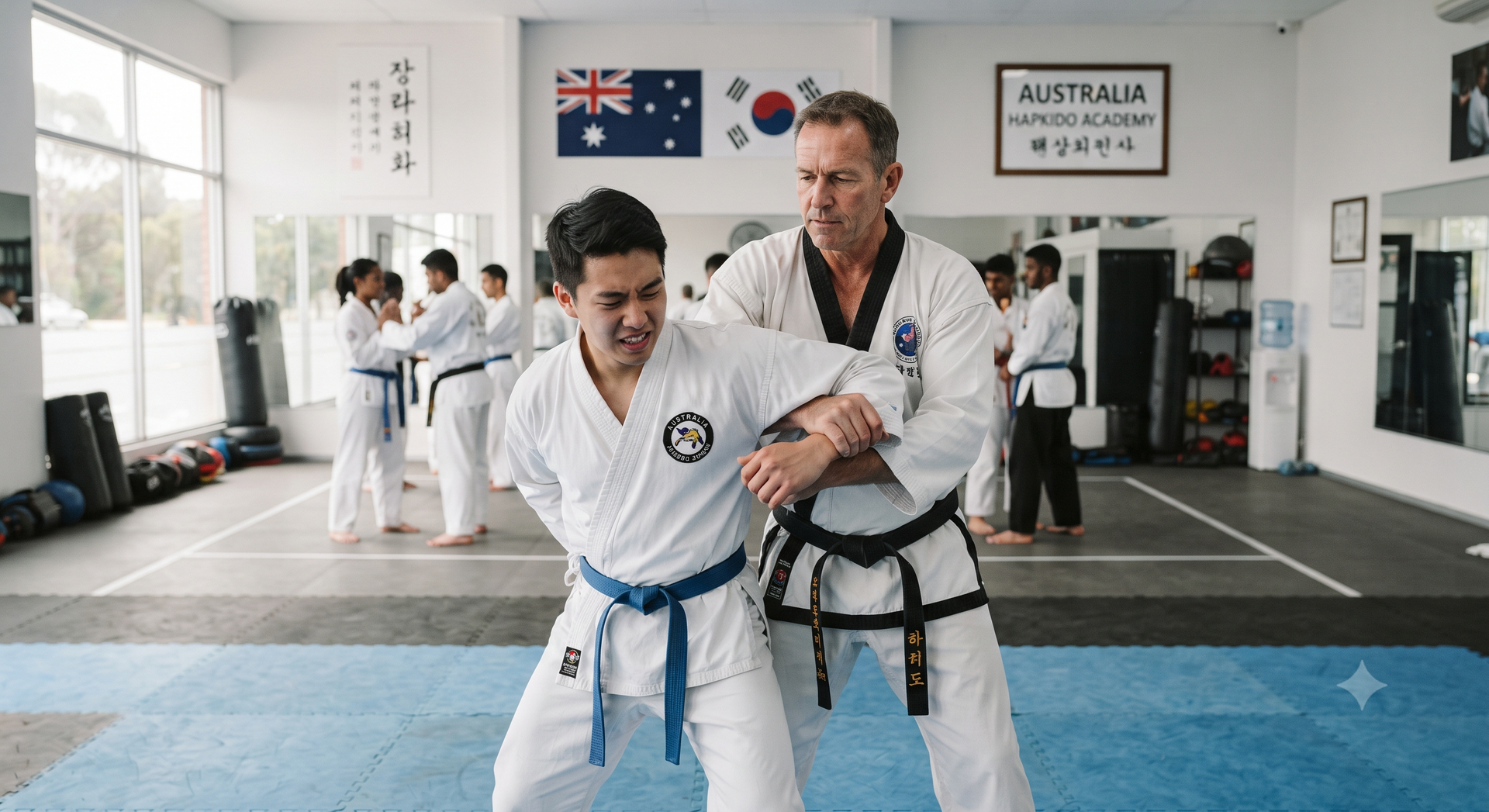
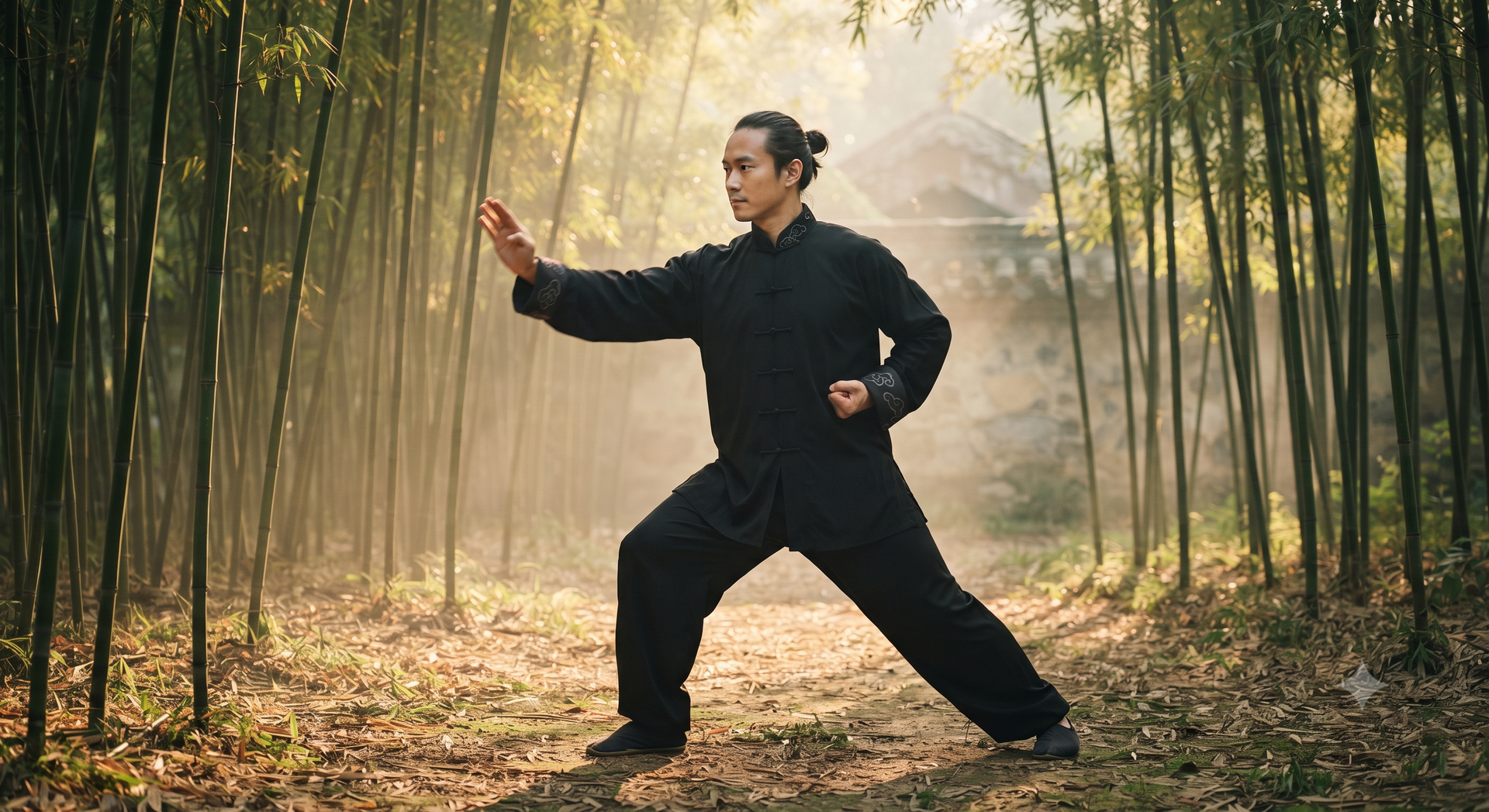
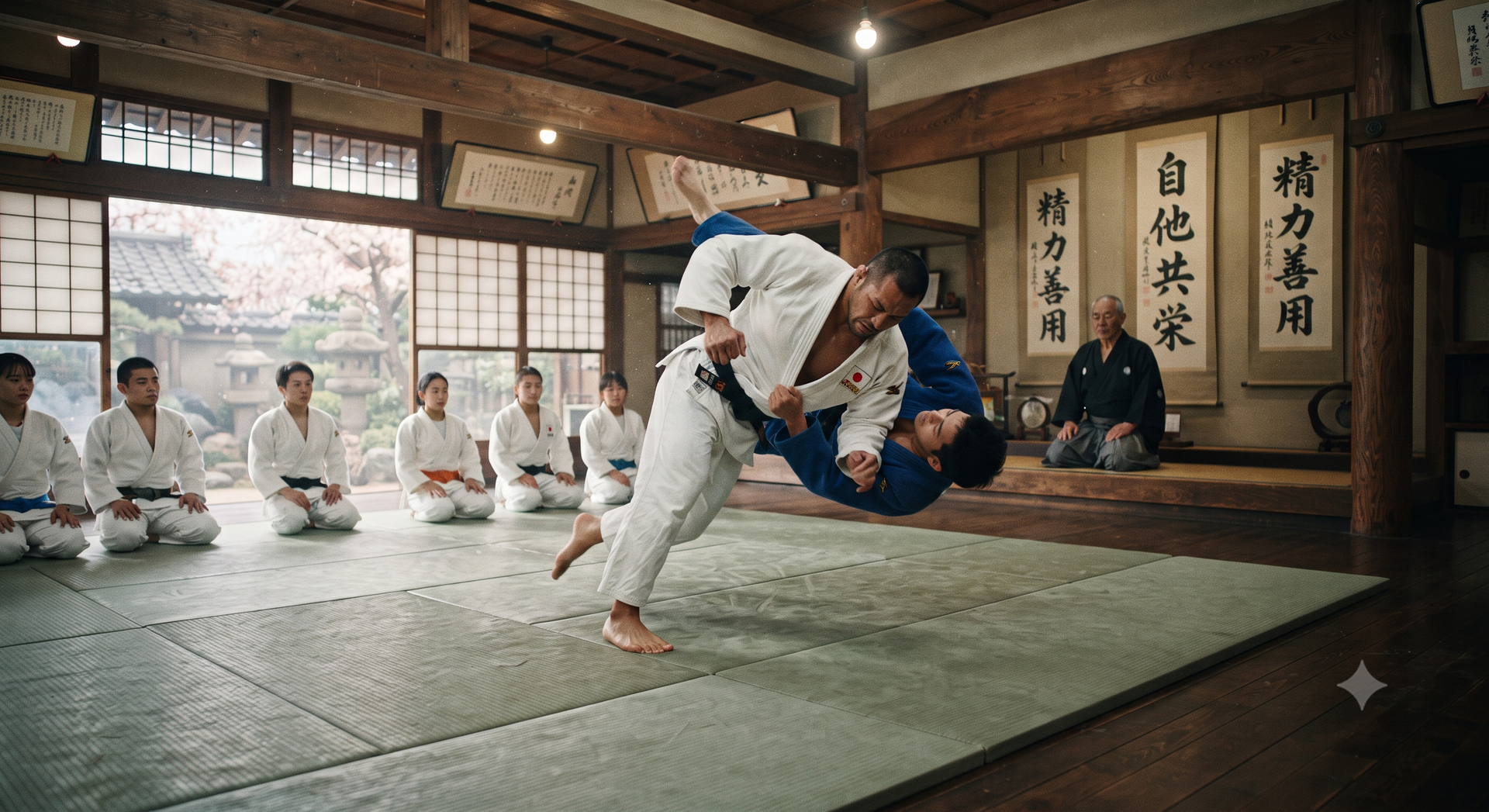
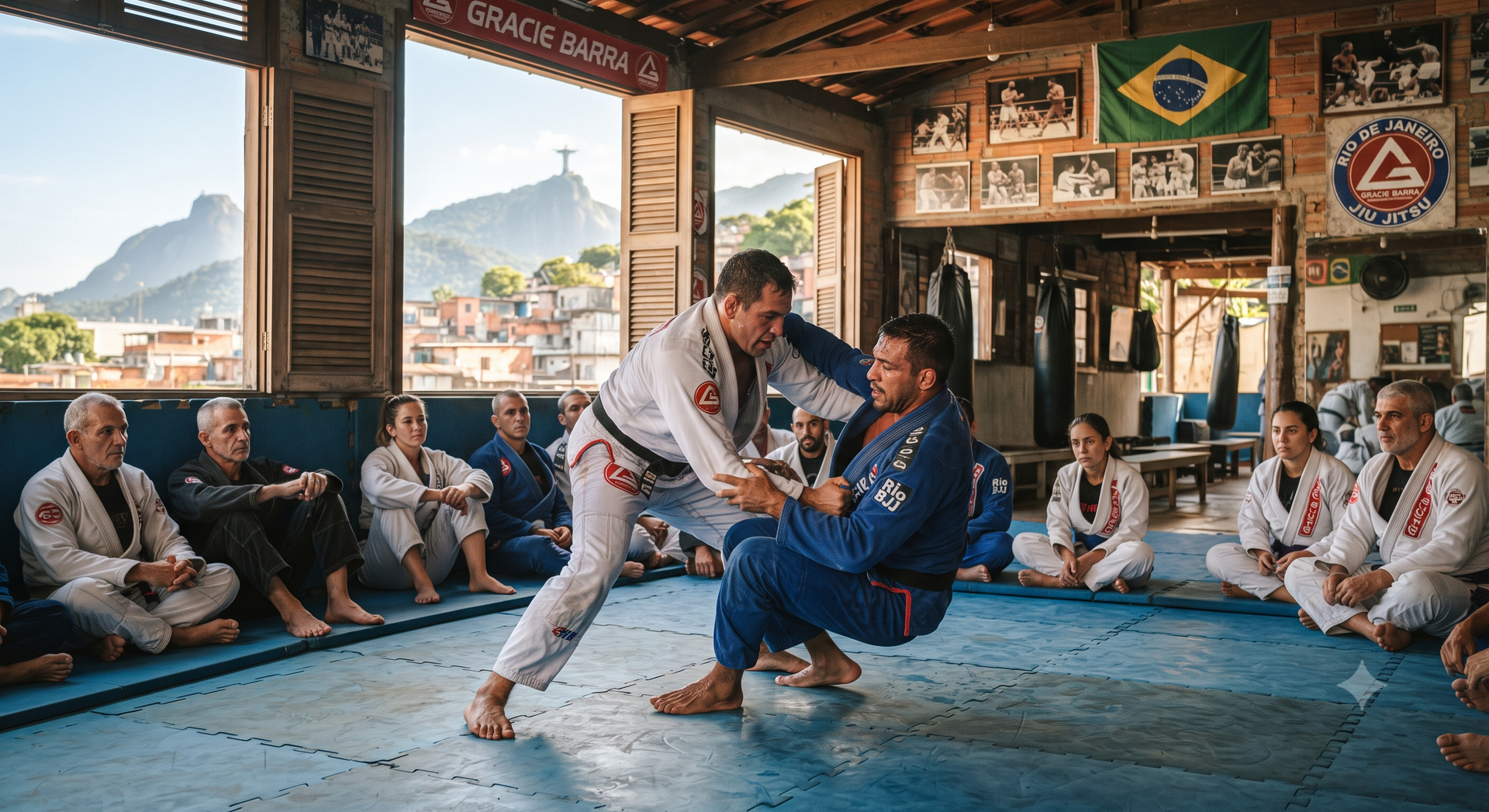
If you walk into any martial arts school across Australia on a Tuesday night, you’ll witness a scene that is both deeply familiar and remarkably unique. In one suburb, you might see the crisp, white uniforms of a Shotokan Karate class moving in perfect, powerful unison. Five kilometres away, a group might be practicing the slow, rhythmic flow of Tai Chi in a local park. Elsewhere, a high-energy Taekwondo class is focused on the snap of a roundhouse kick, while a Wing Chun practitioner is working on the quiet, tactile sensitivity of Chi Sao . To the uninitiated, these scenes might look like entirely different worlds. But to those within the community, they are all threads in the same rich, global tapestry. For years, the martial arts world has occasionally been distracted by the "style vs. style" debate—an attempt to find a singular "best" way to train. However, as our community matures, we are seeing a shift toward a much more nuanced perspective: the understanding that every style has inherent value. This isn't just a polite sentiment; it is a recognition that martial arts systems evolved to solve different human problems. This article serves as the opening chapter of a long-term educational project by Martial Arts Australia . Our goal is to explore the history, philosophy, and technical beauty of the world’s many systems, moving away from division and toward a culture of mutual respect. The Roots of Diversity: Why We Don’t All Move the Same Way The sheer variety of martial arts can be overwhelming. Why are some styles low and rooted, while others are upright and mobile? Why does one focus on breathing and another on impact? The answer lies in history and geography. Martial arts did not develop in a vacuum; they were shaped by the specific challenges of the societies that created them. Culture and Warfare: Systems designed for the battlefield, where soldiers wore heavy armour, naturally prioritised stability and weapons-based movements. Conversely, systems that emerged for civilian self-defence in crowded marketplace settings often focused on close-quarters grappling and quick, deceptive strikes. Geography: Terrain plays a hidden role in how we move. Styles developed in mountainous regions often emphasise strong legs and balance, while those from softer, flatter ground might allow for more expansive footwork. Philosophy and Religion: Many arts were influenced by Zen Buddhism, Taoism, or Confucianism. For these systems, the goal wasn't just physical victory, but spiritual cultivation. The movement became a form of "moving meditation," where the focus was on the internal state of the practitioner as much as the external technique. When we understand why a style looks the way it does, the "better or worse" argument fades away. We begin to see a Hapkido joint lock or a Wushu form not as a competing product, but as a sophisticated solution to a specific historical or personal need. The Modern Practitioner: A Journey of Many Paths In the past, a student might have joined a local club simply because it was the only one in town. Today, Australians have incredible access to a world of traditions. What’s interesting is that while most people start for a singular reason—fitness, for example—they often stay for reasons they never anticipated. The Physical Layer: Fitness and Function For many, the journey begins with the body. Martial arts offers a unique kind of "functional" fitness that a gym workout rarely matches. It’s about coordination, explosive power, and flexibility. A teenager might find their athletic identity in the high-kicking demands of Taekwondo, while an older adult might find that Tai Chi provides a path to mobility and balance that preserves their joints and improves their quality of life. The Mental Layer: Discipline and Resilience Beyond the physical, there is the "hidden" curriculum of the dojo. Martial arts is one of the few environments left in modern life where we are encouraged to fail, learn, and try again in a safe, structured way. Confidence: This isn't about arrogance; it’s the quiet self-assurance that comes from knowing you can handle physical and mental pressure. Focus: In an age of digital distraction, the requirement to be "present" during a kata or a sparring session is a powerful mental reset. Emotional Control: Learning to keep a cool head when you are tired or frustrated is a skill that translates directly to the boardroom, the classroom, and the home. Understanding the Focus Areas To appreciate the diversity of styles, it helps to look at where they place their emphasis. While most comprehensive systems touch on everything, every school usually has a "north star" that guides its training. 1. The Self-Defence Focus Some systems are built from the ground up for practical, real-world application. They prioritise efficiency over aesthetics. You’ll see this in styles like Wing Chun , which focuses on centreline control and economical movement, or Hapkido , which uses an opponent's energy against them through redirection and joint manipulation. For these practitioners, the value lies in situational awareness and the ability to end a conflict as quickly as possible. 2. The Competition and Sport Focus Others have evolved into highly sophisticated sporting structures. Taekwondo , Kyokushin Karate , and Wushu have all developed tournament formats that push the limits of human athleticism. Competition isn't just about winning medals; it’s a laboratory for testing timing, speed, and mental toughness under high-pressure conditions. It has also been the primary way martial arts has been introduced to the wider global public. 3. The Health and Wellness Focus For some, the "art" is a path to longevity. Tai Chi is perhaps the most famous example, but many traditional systems include "internal" components that focus on breathing, posture, and the cultivation of energy. The value here is in the long-term maintenance of the human machine—keeping the body supple and the mind calm well into old age. 4. The Traditional and Philosophical Focus Many schools see themselves as the custodians of history. They preserve the lineage of the founders, the traditional etiquette, and the philosophical teachings that have been passed down for generations. Styles like Shotokan or Shaolin Kung Fu often maintain strict traditional frameworks. For these practitioners, the value is in the connection to something larger than themselves—a lineage that stretches back through time. Deep Dive: The Evolution of Karate Karate is a perfect example of how one "root" can grow into a forest of diverse styles. Originating in Okinawa as a blend of local traditions and Chinese influences, it eventually migrated to mainland Japan and then the world. Kyokushin: Known for its "Full Contact" philosophy, it prioritises physical toughness and the ability to endure. Goju Ryu: A beautiful blend of "hard" and "soft," focusing on close-range fighting and deep, circular breathing. Shotokan: Characterised by long, deep stances and powerful, linear techniques, it emphasises discipline and fundamental perfection. Wado Ryu: A unique blend that incorporates Japanese Jujutsu, focusing on evasion and body shifting rather than just meeting force with force. Each of these styles is "Karate," yet the experience of training in a Kyokushin dojo is vastly different from a Wado Ryu dojo. Neither is "more" Karate than the other; they are simply different interpretations of the same fundamental principles. Deep Dive: The Breadth of Chinese Kung Fu If Karate is a forest, Kung Fu is an entire ecosystem. The term "Kung Fu" (or Wushu ) covers hundreds of distinct styles. Southern Styles: Often characterised by strong, stable stances and intricate hand techniques (like Hung Ga ), reflecting the crowded environments and boat-based living of southern China. Northern Styles: Known for being expansive, acrobatic, and kicking-heavy, taking advantage of the open spaces of the North. Wing Chun: A system of "applied geometry," focusing on the most direct path to the target. Tai Chi: A sophisticated system of movement that hides powerful martial applications behind a facade of slow, gentle motion. The diversity of Chinese arts reminds us that there is no single "correct" way for a human being to move. There is only the movement that fits the individual and their goals. The Korean Tradition: Precision and Power Korean martial arts have a distinct energy. Taekwondo is world-renowned for its kicking dexterity and its status as an Olympic sport, but the Korean tradition is much broader. Tang Soo Do maintains a strong link to traditional values and structured progression, while Hapkido provides a comprehensive self-defence framework. These styles represent a commitment to high-level athleticism and a rigorous "never give up" spirit that has resonated with millions of practitioners worldwide. A Culture of Respect: The Martial Arts Australia Vision At Martial Arts Australia , we believe that the healthiest thing for our industry and our community is a culture of mutual respect. When we understand that the instructor down the road isn't a "competitor" in a zero-sum game, but a fellow educator teaching a different chapter of the same book, everyone wins. No martial art survives for centuries without offering something meaningful to the human condition. Every style contains lessons in history, every style preserves a unique piece of culture, and every style has the power to change a life for the better. Finding Your Personal Journey If you are at the beginning of your journey, our advice is simple: Explore. Don’t worry about finding the "deadliest" or the "most authentic" style. Look for the school that resonates with your personal goals. Look for the instructor who inspires you. Look for the community where you feel both challenged and supported. Whether you choose the structured discipline of Karate, the fluid grace of Kung Fu, the athletic heights of Taekwondo, or the practical focus of a self-defence system, you are embarking on a path of self-discovery that has no finish line. Join the Conversation This article is just the beginning. Over the coming months, we will be building an educational archive—a library of sorts—that dives into the founders, the techniques, and the modern evolution of these incredible arts. We want to help students find the right schools and help instructors share the beauty of their traditions with a wider audience. Martial arts is a personal journey, but it is one we take together. Every style has value. Every practitioner has a story. And every mat is a place of growth. Ready to find your path? If you’re looking to begin your journey or want to explore a new tradition, we invite you to use the Martial Arts Australia directory to connect with legitimate, high-quality schools across the country.