
GRAHAM SLATER - Interview by Morgan Buchanan (2001)
Graham Slater • May 26, 2021
GRAHAM SLATER - Interviewed by Tai Chi Instructor Morgan Buchanan (2001)
Is there such a place where martial art instructors can further their knowledge without any concerns over style,. grade or title? Well Graham Slater believes there is and he has created many places around the world for it to happen. It all proceeds under the banner of the International Karate Alliance.
This interview is with the Founder/Chairman of the association Sensei Graham Slater, a veteran of the martial arts industry for over 35 years.
MB : What motivated you to start such an organisation?
The main incentive for me was to advance my own skills and knowledge. My instructor packed up unexpectedly leaving me to run a couple of schools on my own. I felt inadequate and started building relations and training with other local karate schools.
MB : Were there many instructors receptive to training together?
In the early 80's there weren't many but at least it was better than the mid-to late 70's when it was really a closed shop. I started by just joining in on their classes. Then if I through it would work I would suggest both our classes combine and train as a one off. With some schools we were able to have regular training session, sometimes tournaments and even weekend camps together.
MB : Was it hard to make these approaches to other instructors?
Yes, it was a bit scary at times going to a school and introducing myself in front of a sea of black belts wanting to try me out. I was not there for the fighting but most people thought I was, so even though the chief instructor may have had the right attitude most times, the students wanted to prove themselves. I understood this and knew most of them would get over it if I kept coming back each week and gave them as good as they gave me.
MB : Did it piss you off that a lot of these black belts wanted to knock your block off?
Well I put myself in that position because I wanted to get out of my comfort zone and face a different reality. I just figured that's who they are and where they are at this time and that eventually they would move through it, I was there to learn. I guess it all depends on where you come from. Let me just give you a brief history of my background. In comparison to what I had to deal with as a teenager growing up in the rough streets of Liverpool in the late 60's and early 70's, life in Australia seems pretty tame. There were roaming gangs like packs of lions with average numbers of 30 or so, sometimes ranging up to well over 100. I was just a mere bambi without even a single antler to poke one of them in the eye. Regular beatings in the street and at home made me quite a hardened individual not only physically but emotionally. I relied on stealth and cunning to survive in that jungle but I still got caught about once a month for several years. For a number of years I used to go to the local church dance with my friends and try our luck with the chicks, but before that we would engage in some cage style fighting bouts. A dozen or so of us would go into the back room and fight each other with various styles and rules like : no eye poking, no ball kicking and only one hit after you were knocked to the floor.
There could be anything up to 20 fights per night with each person choosing whether to fight with steel toe cap boots, Dr Martin boots or without any shoes at all. While each fight was in play the rest would watch and try to pick up some good techniques. Some of the guys studied judo or karate but most were just street fighters. Sometimes we would just go in there and show each other different techniques without belting each other up. At any stage during the fight if you had enough you could just call out and stop, then the fight was over and you would shake hands and thank each other. You would always get patted on the back and praised by the others after your fight and this sometimes took some of the pain away. Regularly we would have new people eager to find out what goes on in the noisy back room. If someone did not abide by the rules or was particularly vicious we would all jump in and hammer them, then kick them out. I often came home with red marks all over my body and clothes from a mixture of red tuxan boot polish and blood. I could tell you more tales about growing up on the streets of Liverpool but I'll save that for another day.
I emigrated to Australia with my parents in 1975 and almost immediately took up karate, Kyokushin style. I think this was the right style for me at the time because of the heavy body contact and fighting discipline. Whilst training twice a week in Kyokushin I started kick boxing and Ken Shin Kan karate on other nights, you could say that I was right into it.
In 1979 one by one the schools closed and I found myself without a club to train at. Then I bumped into a Shotokai Karate school run by a mad Scotsman. I will always remember my first class as he matched me against all of his purple and brown belts. "Ah so you've done Kyokushin have you, I bet you like sparring." he said. One by one they lined up, around 15 of them all ready to try and clobber me. For all you Kyokushin practitioners reading this, I didn't let you down, you trained me well and I didn't hold back. Fortunately none of the Shotokai guys had practiced full contact sparring before and thought I was going to back off when they landed a blow. I was pretty pissed off at the instructor for putting me on the spot like that and consequently displaying my annoyance by systematically introducing his students to what thigh kicks were and my personal favorite, elbows and knees to the head and body. As I was going through them I was aware that some of them did not want to be there but had to keep face, so I eased off on them. At the endof the bouts I didn't know whether to walk out and tell them all to get f*#*#* but I ended up staying for three years and eventually took over the school when the teacher retired.
From that day on I was always prepared to spar such students when I entered a new school. These days I am rarely challenged "touch wood" but sometimes when I run a special seminar people try to take liberties in sneaky ways even to the point of someone almost breaking my back. Now I am very cautious and sometimes stand offish to people who who seem too reckless, it's just not worth it, I don't have anything to prove, I will just walk away. Egos pop up everywhere when you least expect it, that is the only thing that disappoints me about the martial arts industry. I know the ego is just a part of human nature and we all need it because it is what gives us motivation. However we would be better served if we all keep it on a short leash.
MB : Why do you think people try to take cheap shots at you?
I believe that it is not just me. It is all those people who put themselves on the line, such as those who lend their body to someone at a seminar. I think some people believe that they should be doing my job. Perhaps they think that I got here by fighting and showing people that I can take a punch. For those people who think that this job is up for the taking and all you need to do is get in a hit on me, forget it, just ask me and it's yours. I play the role of chairman, I am the founder and I have the last say in the direction of the IMA. However I am influenced by members suggestions and I try to make the right decisions based upon their input and my own research.
Basically I work for the members as a facilitator, I coordinate things and get it all happening, I often finance projects out of my own pocket, but not so often now as in the past. We have more member support and I have to listen to the sensible voice of my dear wife. Now I tend to run activities that are financially viable. They are more likely to be successful and therefore of more benefit to the members and participants.
MB : Now tell me how you developed the IMA from a group of six melbourne Martial arts instructors to hundreds of martial arts schools internationally?
Well you see I waved my magic wand and it all just happened! In fact the reality is that I kept sending invitations to instructors from all styles to participate in various training events other than tournaments. Some responded, some didn't, other times I worked three jobs to get enough money to travel around australia and to various countries to train with anyone who would teach me. I was definitely guided to these places and people by some overseeing energy or spirit because I have trained with some amazing people and we didn't meet by coincidence.
For instance I have just flown into Tokyo and a friend said, "why don't you go and train with this person." To which I've responded "But he teaches in 80 odd countries, he would be too busy."
My friend said "Yes but his Mexican seminar has been cancelled so we can have lunch with him and train after that."
I have been so lucky at being in the right spot at the right time with may teachers I refers to as the gods of the martial arts world. I've been able to train with extraordinary martial artists and consequently been privileged to make some life long friends along the way. I spend a lot of my time corresponding with all these people, sending gifts and visiting them when I can and this has helped me maintain good relations and develop the IMA.
MB : What's new for you right now?
I have taken many teams to Japan over the years and hope to go again soon with the biggest team ever.
MB : What sort of team are you taking?
I'm inviting instructors and their students from all style of martial arts to allow me to show them some of the Japan that I know. We will train in a variety of different martial arts, do demonstrations, see the sights and experience the culture "big time" in places like Tokyo, Nikko, Kyoto and Osaka. There are limited placed because I will have special guest accompanying us along the way and I want everyone to fit on the one coach. Those who want to find out more can check out the upcoming events on the web site. We run international tours every year.
MB : Where are you with your own training these days?
I've gone all internal so to speak, I've been studying Tai Chi and Chi Kung with a few friends and really enjoying it. I have been putting together a new training system over the past five years called Reikijitsukai. It combined my knowledge of Karate, Aikido, Jujitsu, Shintaido, Chi Kung, Tai Chi and Reiki Healing. My body has changed and become more relaxed and fluid, it feels so good to train this way. Since I have incorporated the esoteric healing energies of reiki into my training it has become more powerful and gives me the results I'm looking for. Now lets save the Reikijitsukai for a whole new article because there is a lot more I would like to share on that subject.
MB : Okay well I guess we can leave it there, thank you very much for your time Sensei Slater.
It was a pleasure, thank you for yours Morgan.
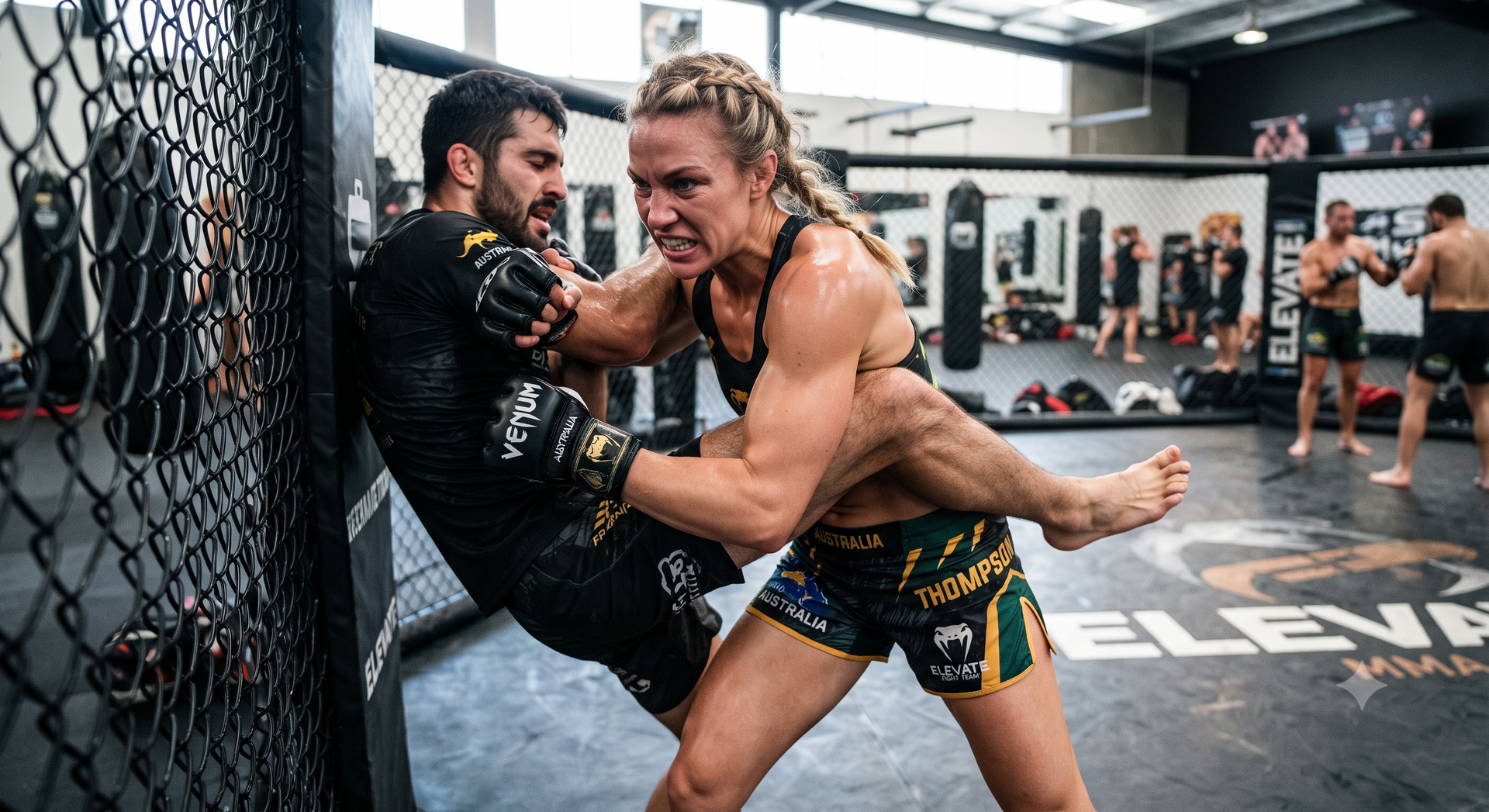
From vale tudo and UFC 1 to Khabib and Alexander Volkanovski the complete story of mixed martial arts and why it represents the most tested combat system in history.
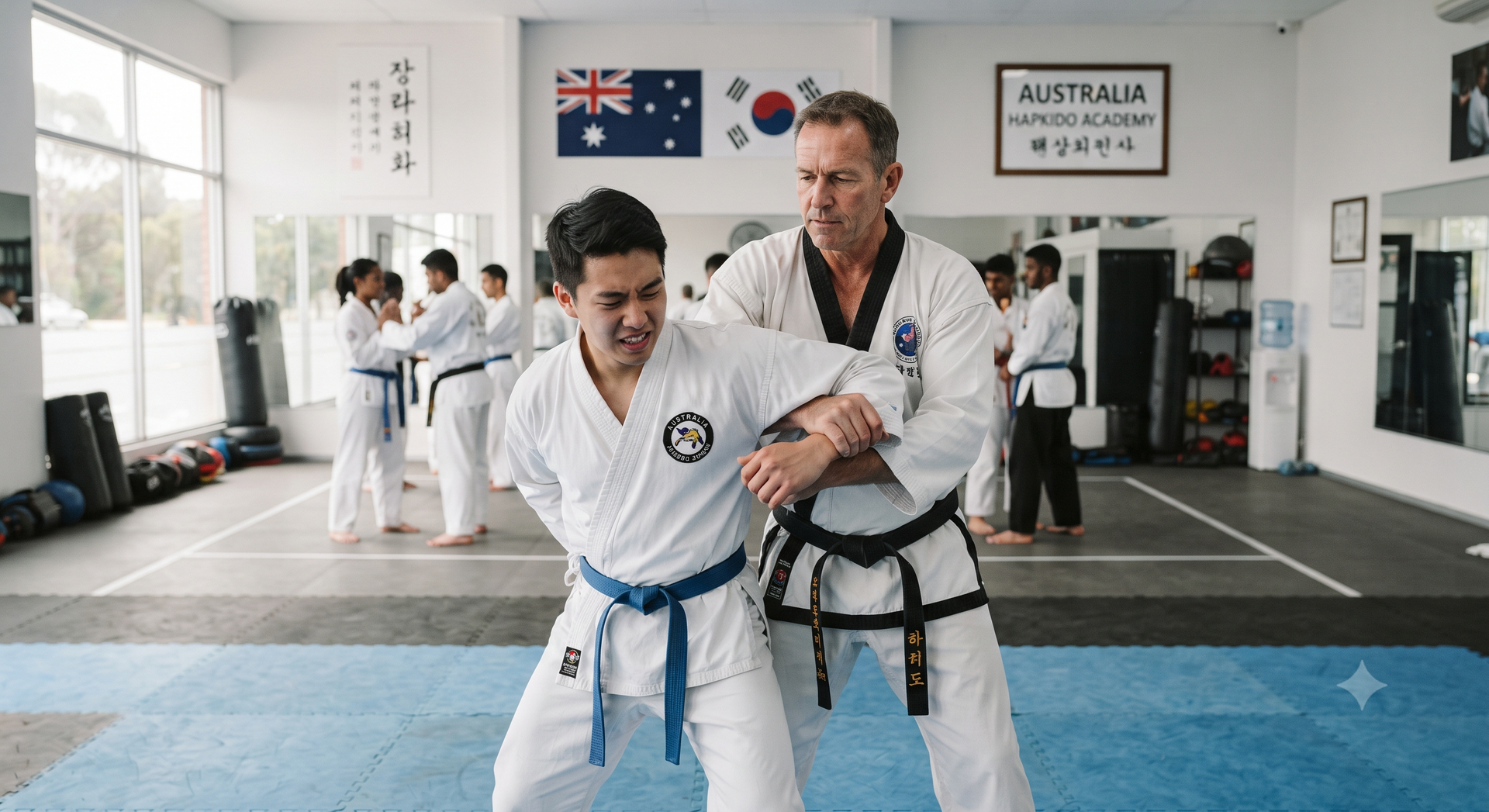
From Choi Yong-sul and Ji Han Jae to hapkido's living lineages — the history, philosophy and genuine strengths of Korea's most comprehensive self-defence art.

From Imi Lichtenfeld's streets of Bratislava to the IDF and global self-defence the true history of Krav Maga and why its realistic approach remains uniquely effective.
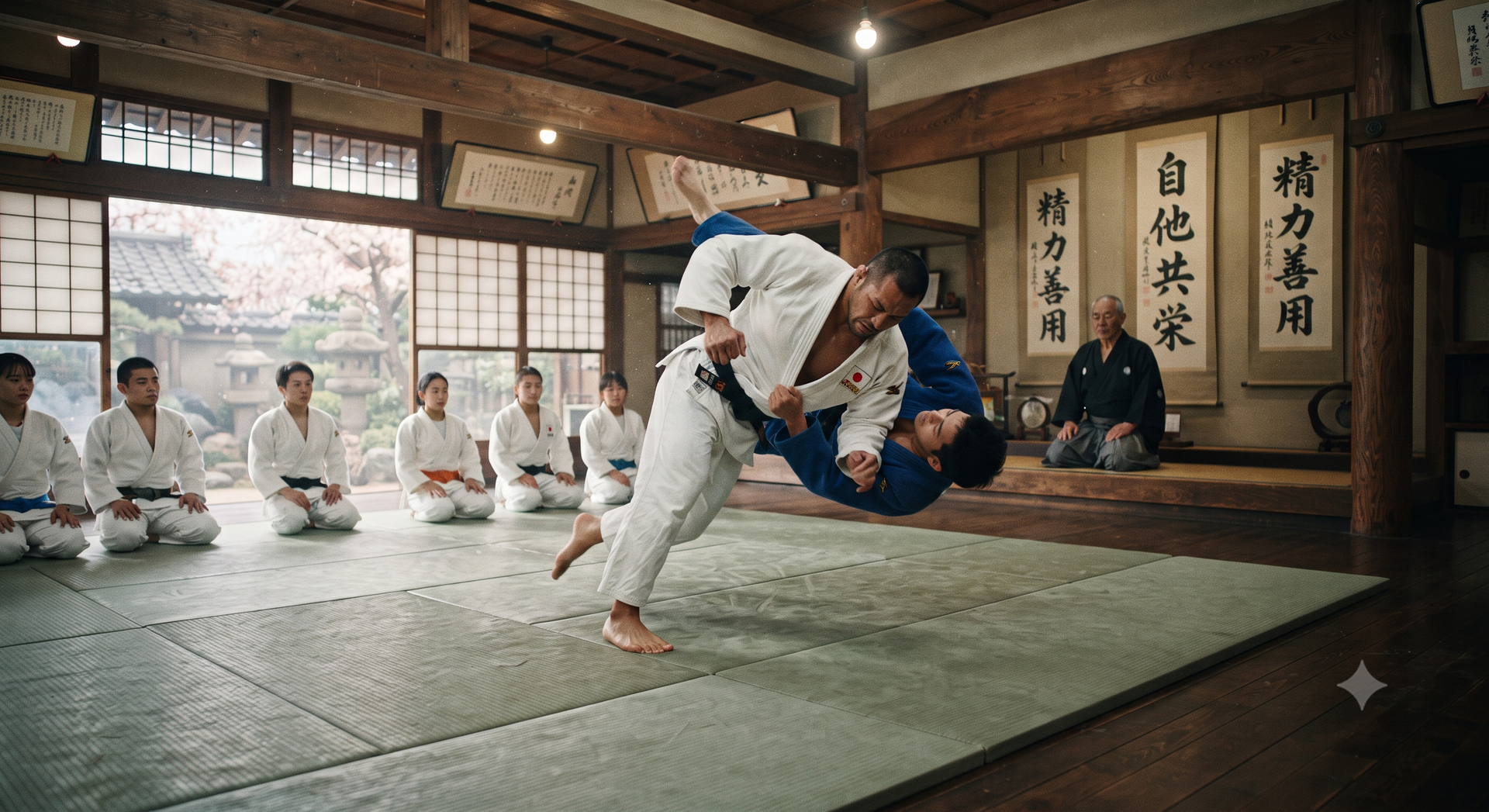
From Jigoro Kano's Kodokan to Teddy Riner's Olympic dominance the complete story of judo's history, principle, and the physical education it provides.
From ancient Korean subak to Olympic gold the full history of taekwondo, its prominent champions, and the physical and character strengths the art develops.

From Morihei Ueshiba's life and vision to Tohei, Shioda and the living lineages — a deep look at aikido's history and what genuine long-term practice develops.

From ancient muay boran to Samart Payakaroon and Rodtang the full story of Muay Thai's history, lineage, and why it remains one of the world's most complete striking arts.
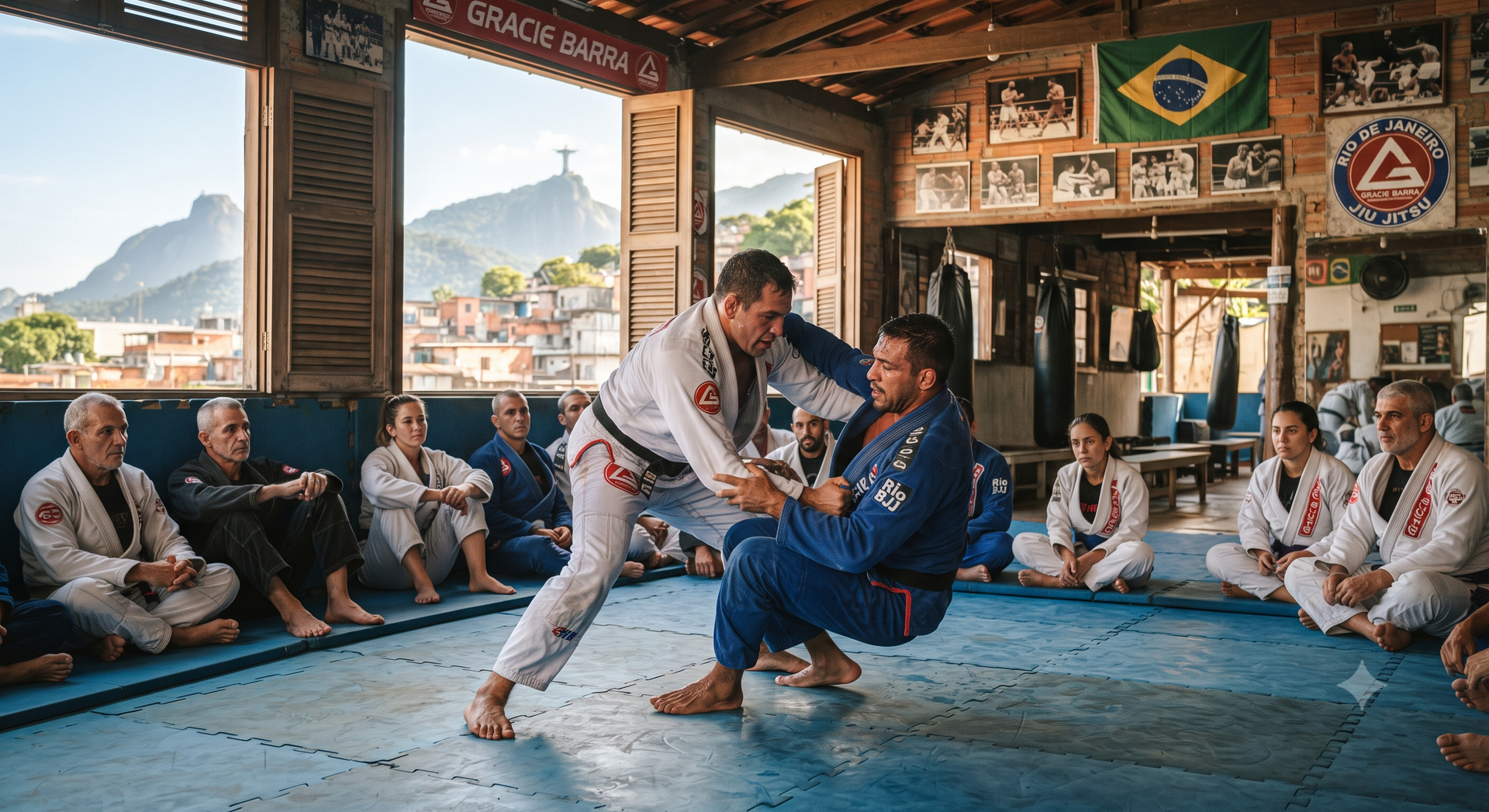
The full story of BJJ from Mitsuyo Maeda and the Gracie family to Roger Gracie and John Danaher and why ground grappling changed martial arts forever.
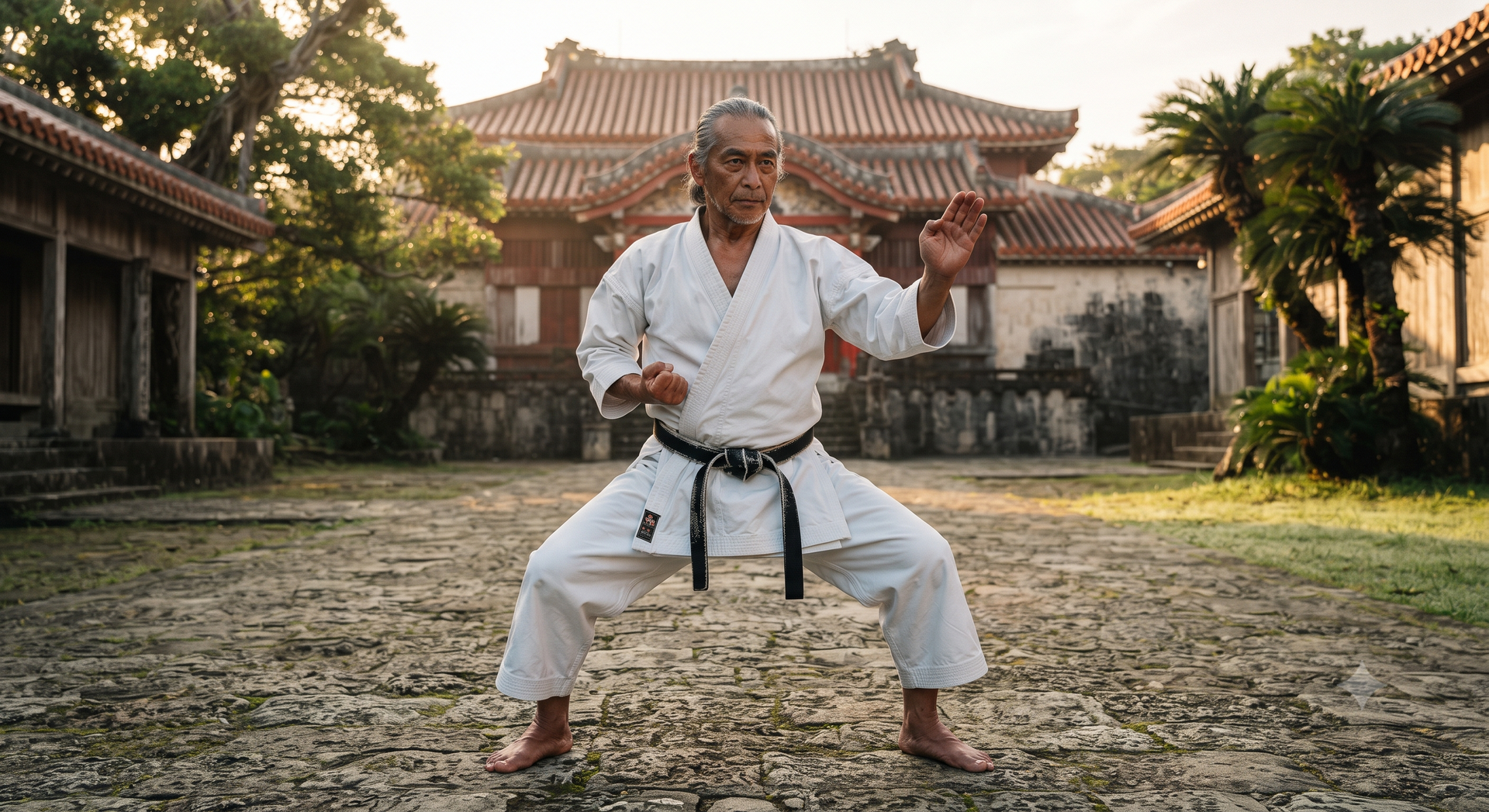
A deep exploration of karate's Okinawan origins, major styles including Shotokan and Goju-Ryu, prominent masters, and the enduring strengths of this global martial art.