Shi Xing Jun Blitz interview

Blitz Magazine • October 24, 2018

Shi Xing Jun Blitz interview - Interview with Shaolin Warrior Monk Shi Xing Jun Questions compiled by Graham Slater & Ben Stone (this is not the exact published version)

Shi Xing Jun 30th generation Shaolin Monk one of the head coaches at the Temple teaching over 10,000 students in both China and Taiwan . Find out more about BLITZ

Interesting note: Whilst Shi Jun was staying at his host's home in Box Hill he decided do some early morning exploring and jogged to Port Melbourne and back again without any assistance (over 40 kils round trip)

1. Shi Jun you have been involved in martial arts since you could basically walk, how did that come about?
My father is quite a well known master and he took the time to start teaching me as soon as I could move I think. I really loved the training so much I kept wanting to do more and more even at that early age. When I saw the Shaolin Temple on TV and ask my father about it I immediately wanted to go. My father kept putting me off for what felt like years thinking I was going through a phase. I know there were a few reasons why they were trying to discourage me especially as I was the youngest of seven in the family. I think my father may have also thought I might not be able to stick at it and want to come home. This would have been very bad for my father as he would have lost face not just as a father but also as a martial arts master. If anyone quits and wants to leave they basically have to walk through everyone's legs like a dog and it is very shameful for everyone.

2. What was it like when you first arrived at the Temple aged eight, knowing that your family was more than a thousand kilometres away?
I knew I was on my own and remember being both nervous and excited at the same time. I had pleaded with my parents for a long time to come here and now I had my wish. I knew I had to do my best because I wanted to prove to my father that this was the right choice. It was easy to take my mind off missing my family because I was totally focused on the ground the sky, Buddha and martial arts training. What I mean is the environment of the temple in the mountains and the masters allowed me to focus without distraction on all the things I wanted to learn.


3. How did your day start when got there?
All Monks at the Temple start training the same way in conditioning the body. I chose a particular master who took his disciples to the top of the mountain high above the Temple for my conditioning training. I spent the next four years there my mother visited me after two years and a year later I had a short holiday to see the rest of my family.


4. What was a typical day like at the Temple when you were growing up?

I would get up like everyone else at 4am then meditate and pray for an hour. Straight after that it was a run to the top of the mountain and other conditioning exercises before breakfast. We would then do some study like a normal school and then do my kung fu, then lunch and the same again and again. After dinner until we have lights at 9.00pm we have our own time to reflect of do more training. As you get more senior you get to do other things like go on tour with the performance team.


5. Has you father's teachings influenced you much over the years?

Yes my father has been a great inspiration having taught me some techniques not performed in the temple. I see him as often as I can but being a very senior coach now my teaching schedule takes me all over the world. I have just come back from 8 months teaching in Taiwan and will return there again before returning to the Temple in July.


6. There is so much history and mystery surrounding the Shaolin Temple , with the ability to perform super human feats what is it that makes the Warrior Monks so powerful?

It is our training and commitment to the tasks we are given. We are totally committed to focusing on our training without distraction. We live in an environment that gives us inspiration and we have the very best teachers to guide us.


7. Do Monks still do the hand conditioning like driving their hands in caldrons of sand and pebbles etc?

I have practised the strikes into sand to develop strong hands for the chin na training because you need to have a strong grip. The gravel and pebbles training is specifically to obtain the iron palm technique. This is for those who want to specialise in this, not me.


8. What are the options for Chinese students in the Temple do they all do the same training for a set time and then get to specialise?

Yes they all do the same training, the same conditioning, the same forms, the same combat etc. After they have completed what could be called an inturn program they can then specialise in certain aspects of Shaolin Kung Fu. For example some Monks may want to work more in Chin Na or San Da to polish their combative skills while other may develop select forms.


9. I understand the Temple is becoming more progressive and open to allowing westerners to train. What opportunities are there for foreigners wanting to study martial arts?

Of course it is not as open as it is for a Chinese to live in' student but there are great opportunities for foreigners to spend long periods of time studying Kung Fu and related arts. Foreigners can just train there for a very short time if they want but they wouldn't learn much.


10. Can foreigners chose their own master or is one allocated to them and can a person request what he / she wants to learn? If a person has researched a master and wants to learn from them they can put in that request and depending on a number of factors, learn from them. Choosing specifically what they want to learn might be difficult because a student is assessed to see if they can handle the training and generally techniques will be taught befitting their abilities.


11. I believe there are over 300 forms practised at the Temple does anyone know them all?

There are only a few people and I am one of them that has learnt all of the 300 set forms. There are around 300 speciality masters or keepers of the forms in the Temple that have totally mastered their chosen forms.


12. What do you have to do to maintain that extensive list of forms?

I go through all of the forms each week basically covering over forty per day along with other training routines.


13. How many people train in the Temple grounds each day?

There are a number of Kung Fu schools in the grounds with around 30,000 students and in the township of Deng Feng there are probably three times that many.


14. What are your teaching duties in the Temple ?

When I am in the Temple I work with the demonstration teams and work to maintain the forms and teach at all levels. I was appointed the head of Taiwan last year and have been teaching there for the last eight months.


15. What are your studying at the moment?

I am studying the inner teaching of Budhha which involves lots of sutras, rituals and chanting and this has helped improve my Kung Fu.


16. What are your favourite weapons?

As you know we practise eighteen weapons and my favourites would be the whip, long pole and straight sword.


17. Has the warrior or soldier monk's role change over the years and what are the main functions today?

No we still do what we have always done sleep, train, eat and study Buddha. What has changed is we have better beds instead of sleeping on hollowed out trees to real beds with mattresses. We no longer have to fetch water from the wells because we have piped water, thanks to support from the government and private donations.


18. One of things I noticed with all of the elite warrior monks is their incredibly strong legs. I've seen monks run ups trees and walls and jump so high in the air, what do you have to do to develop that power?

We train hard and that ability and other feats are a product of our hard training. To understand what it takes to do these feats can only be discovered by training in Shaolin Kung Fu.


19. Can you take me through an average day at the Temple ? what would you do in a day? Get up at 4.00am and meditate / pray for one hour, then train until 7.00am and have breakfast. 8.00am more training and Buddha study until 12.30 lunch. 1.30pm more of the same unless we are developing a performance team of teaching until 5.30pm. At 6.30pm we have another two hours of training until we retire at 9.00pm.
Martial Arts Masters Blog

By Graham Slater July 10, 2026
Speed, Power and Biomechanical Efficiency
By Graham Slater July 9, 2026
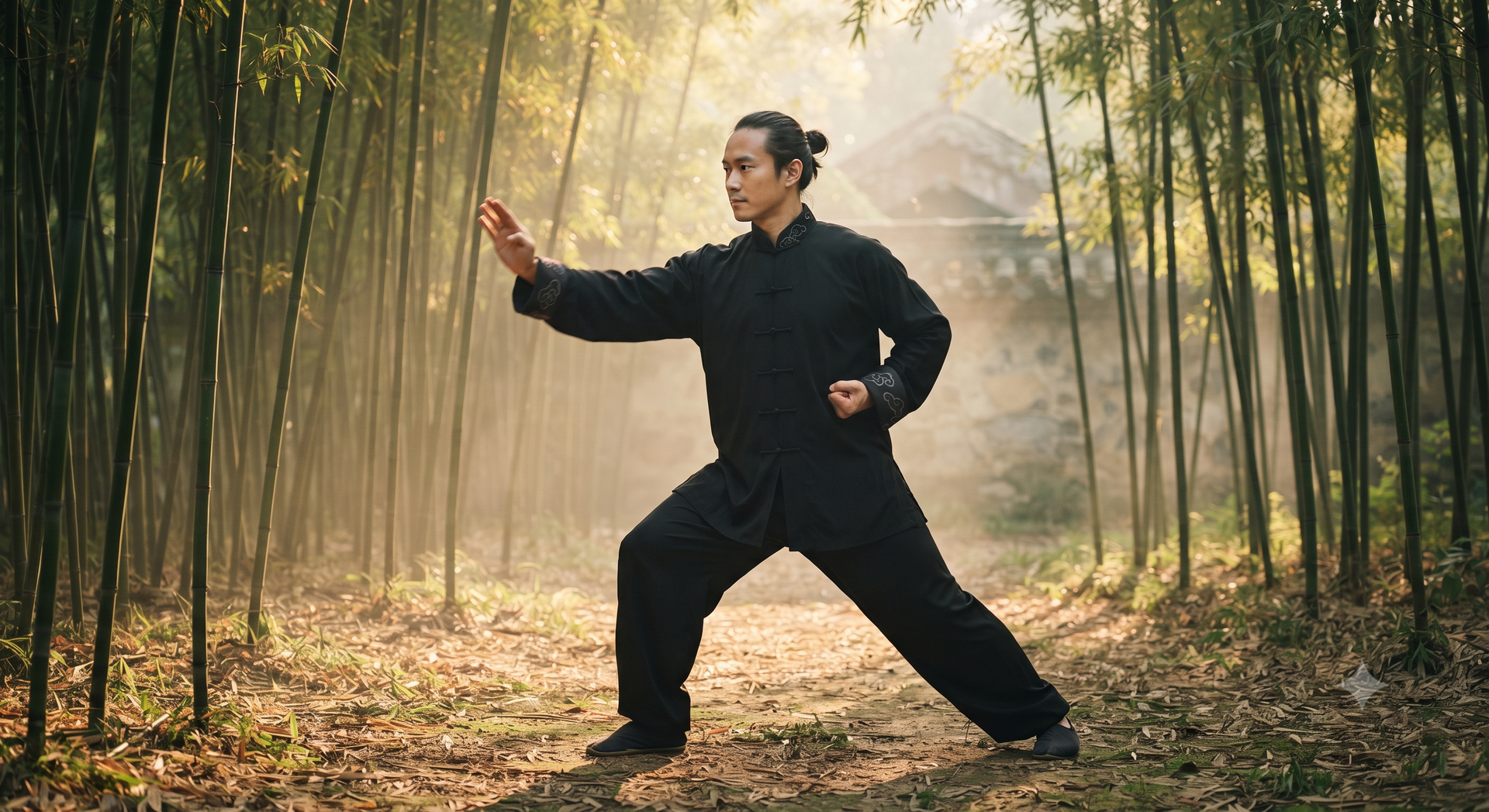
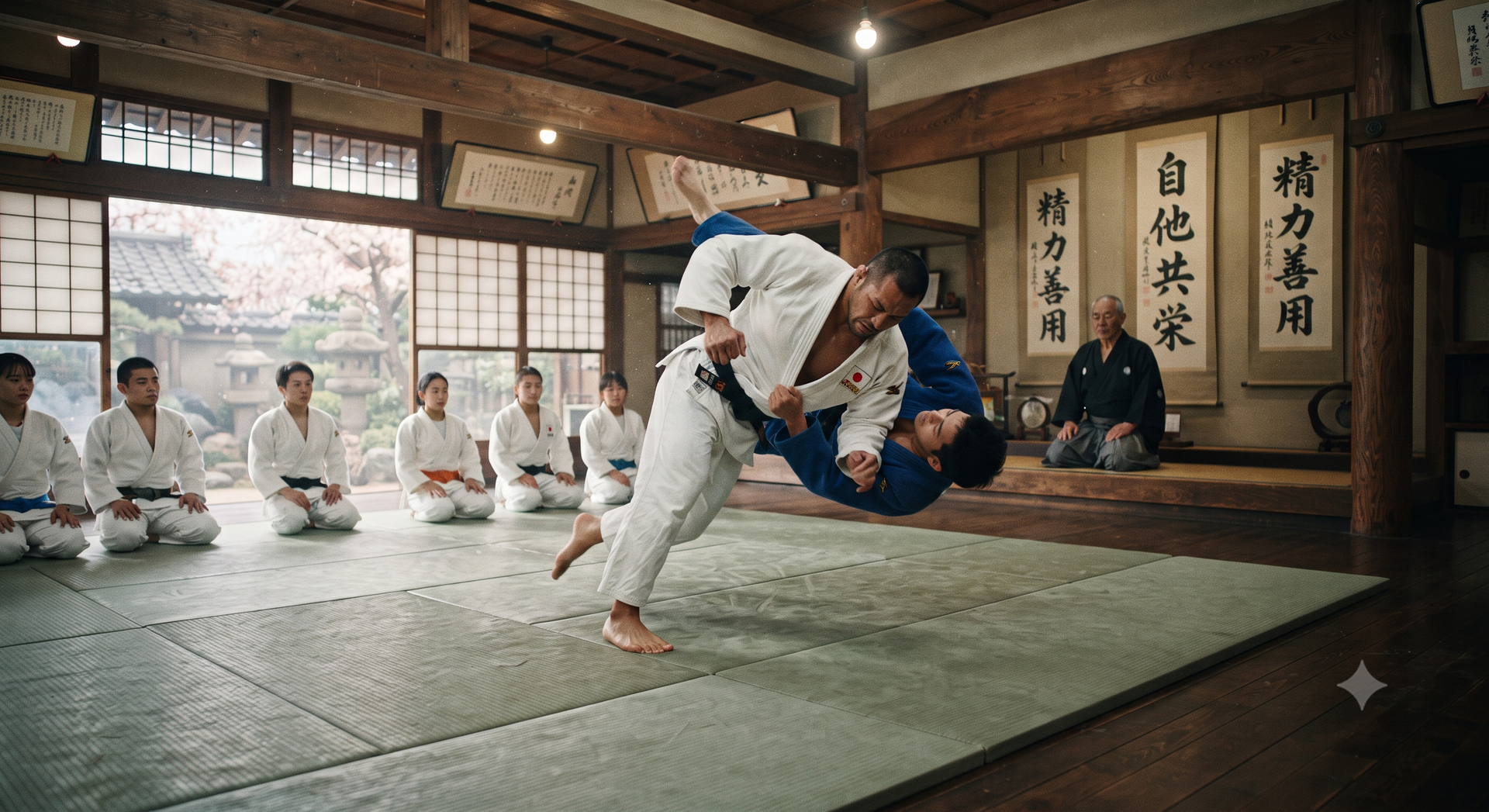
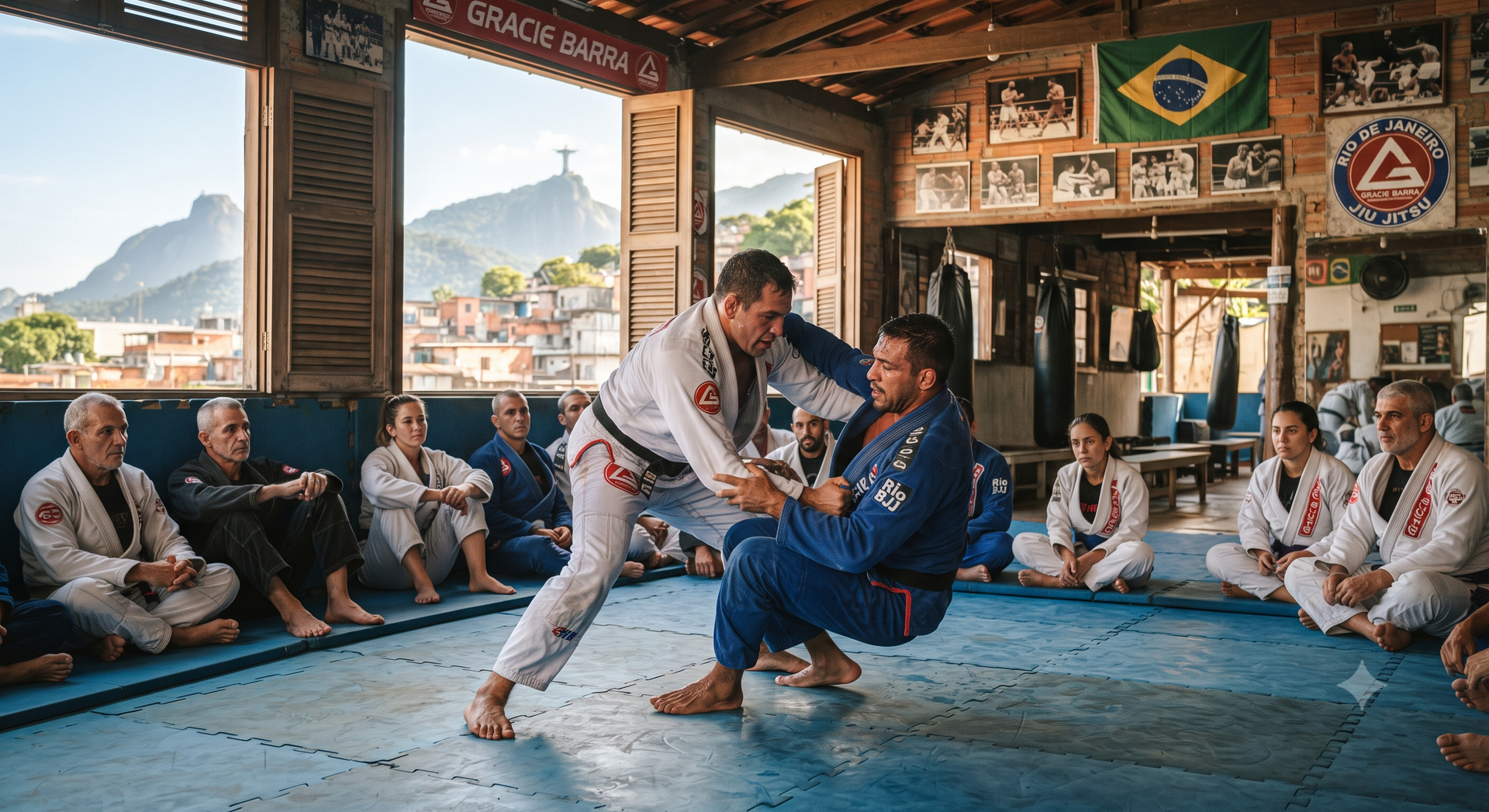
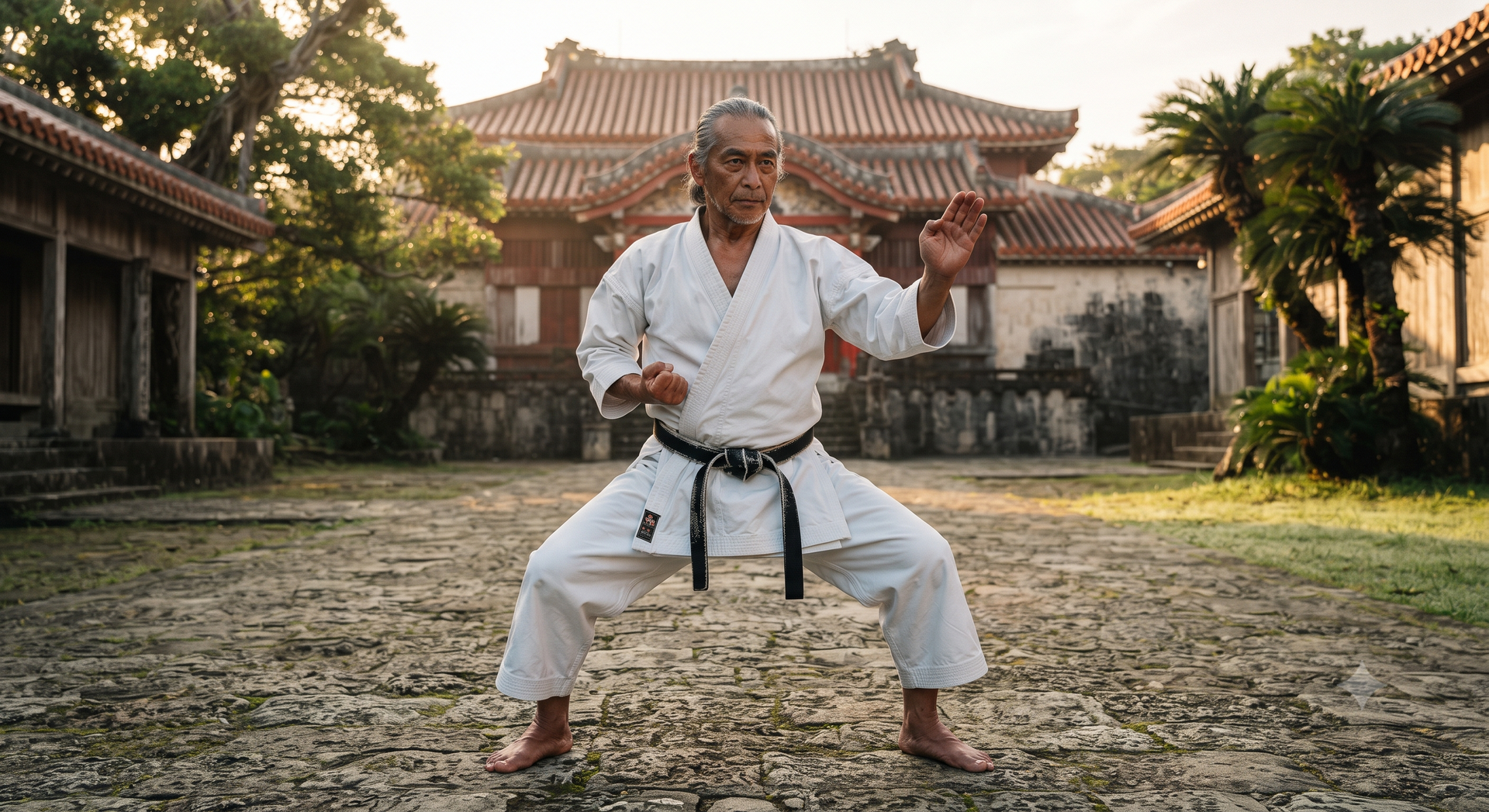
If you walk into any martial arts school across Australia on a Tuesday night, you’ll witness a scene that is both deeply familiar and remarkably unique. In one suburb, you might see the crisp, white uniforms of a Shotokan Karate class moving in perfect, powerful unison. Five kilometres away, a group might be practicing the slow, rhythmic flow of Tai Chi in a local park. Elsewhere, a high-energy Taekwondo class is focused on the snap of a roundhouse kick, while a Wing Chun practitioner is working on the quiet, tactile sensitivity of Chi Sao . To the uninitiated, these scenes might look like entirely different worlds. But to those within the community, they are all threads in the same rich, global tapestry. For years, the martial arts world has occasionally been distracted by the "style vs. style" debate—an attempt to find a singular "best" way to train. However, as our community matures, we are seeing a shift toward a much more nuanced perspective: the understanding that every style has inherent value. This isn't just a polite sentiment; it is a recognition that martial arts systems evolved to solve different human problems. This article serves as the opening chapter of a long-term educational project by Martial Arts Australia . Our goal is to explore the history, philosophy, and technical beauty of the world’s many systems, moving away from division and toward a culture of mutual respect. The Roots of Diversity: Why We Don’t All Move the Same Way The sheer variety of martial arts can be overwhelming. Why are some styles low and rooted, while others are upright and mobile? Why does one focus on breathing and another on impact? The answer lies in history and geography. Martial arts did not develop in a vacuum; they were shaped by the specific challenges of the societies that created them.  Culture and Warfare: Systems designed for the battlefield, where soldiers wore heavy armour, naturally prioritised stability and weapons-based movements. Conversely, systems that emerged for civilian self-defence in crowded marketplace settings often focused on close-quarters grappling and quick, deceptive strikes. Geography: Terrain plays a hidden role in how we move. Styles developed in mountainous regions often emphasise strong legs and balance, while those from softer, flatter ground might allow for more expansive footwork. Philosophy and Religion: Many arts were influenced by Zen Buddhism, Taoism, or Confucianism. For these systems, the goal wasn't just physical victory, but spiritual cultivation. The movement became a form of "moving meditation," where the focus was on the internal state of the practitioner as much as the external technique. When we understand why a style looks the way it does, the "better or worse" argument fades away. We begin to see a Hapkido joint lock or a Wushu form not as a competing product, but as a sophisticated solution to a specific historical or personal need. The Modern Practitioner: A Journey of Many Paths In the past, a student might have joined a local club simply because it was the only one in town. Today, Australians have incredible access to a world of traditions. What’s interesting is that while most people start for a singular reason—fitness, for example—they often stay for reasons they never anticipated. The Physical Layer: Fitness and Function For many, the journey begins with the body. Martial arts offers a unique kind of "functional" fitness that a gym workout rarely matches. It’s about coordination, explosive power, and flexibility. A teenager might find their athletic identity in the high-kicking demands of Taekwondo, while an older adult might find that Tai Chi provides a path to mobility and balance that preserves their joints and improves their quality of life. The Mental Layer: Discipline and Resilience Beyond the physical, there is the "hidden" curriculum of the dojo. Martial arts is one of the few environments left in modern life where we are encouraged to fail, learn, and try again in a safe, structured way. Confidence: This isn't about arrogance; it’s the quiet self-assurance that comes from knowing you can handle physical and mental pressure. Focus: In an age of digital distraction, the requirement to be "present" during a kata or a sparring session is a powerful mental reset. Emotional Control: Learning to keep a cool head when you are tired or frustrated is a skill that translates directly to the boardroom, the classroom, and the home. Understanding the Focus Areas To appreciate the diversity of styles, it helps to look at where they place their emphasis. While most comprehensive systems touch on everything, every school usually has a "north star" that guides its training. 1. The Self-Defence Focus Some systems are built from the ground up for practical, real-world application. They prioritise efficiency over aesthetics. You’ll see this in styles like Wing Chun , which focuses on centreline control and economical movement, or Hapkido , which uses an opponent's energy against them through redirection and joint manipulation. For these practitioners, the value lies in situational awareness and the ability to end a conflict as quickly as possible. 2. The Competition and Sport Focus Others have evolved into highly sophisticated sporting structures. Taekwondo , Kyokushin Karate , and Wushu have all developed tournament formats that push the limits of human athleticism. Competition isn't just about winning medals; it’s a laboratory for testing timing, speed, and mental toughness under high-pressure conditions. It has also been the primary way martial arts has been introduced to the wider global public. 3. The Health and Wellness Focus For some, the "art" is a path to longevity. Tai Chi is perhaps the most famous example, but many traditional systems include "internal" components that focus on breathing, posture, and the cultivation of energy. The value here is in the long-term maintenance of the human machine—keeping the body supple and the mind calm well into old age. 4. The Traditional and Philosophical Focus Many schools see themselves as the custodians of history. They preserve the lineage of the founders, the traditional etiquette, and the philosophical teachings that have been passed down for generations. Styles like Shotokan or Shaolin Kung Fu often maintain strict traditional frameworks. For these practitioners, the value is in the connection to something larger than themselves—a lineage that stretches back through time. Deep Dive: The Evolution of Karate Karate is a perfect example of how one "root" can grow into a forest of diverse styles. Originating in Okinawa as a blend of local traditions and Chinese influences, it eventually migrated to mainland Japan and then the world. Kyokushin: Known for its "Full Contact" philosophy, it prioritises physical toughness and the ability to endure. Goju Ryu: A beautiful blend of "hard" and "soft," focusing on close-range fighting and deep, circular breathing. Shotokan: Characterised by long, deep stances and powerful, linear techniques, it emphasises discipline and fundamental perfection. Wado Ryu: A unique blend that incorporates Japanese Jujutsu, focusing on evasion and body shifting rather than just meeting force with force. Each of these styles is "Karate," yet the experience of training in a Kyokushin dojo is vastly different from a Wado Ryu dojo. Neither is "more" Karate than the other; they are simply different interpretations of the same fundamental principles. Deep Dive: The Breadth of Chinese Kung Fu If Karate is a forest, Kung Fu is an entire ecosystem. The term "Kung Fu" (or Wushu ) covers hundreds of distinct styles. Southern Styles: Often characterised by strong, stable stances and intricate hand techniques (like Hung Ga ), reflecting the crowded environments and boat-based living of southern China. Northern Styles: Known for being expansive, acrobatic, and kicking-heavy, taking advantage of the open spaces of the North. Wing Chun: A system of "applied geometry," focusing on the most direct path to the target. Tai Chi: A sophisticated system of movement that hides powerful martial applications behind a facade of slow, gentle motion. The diversity of Chinese arts reminds us that there is no single "correct" way for a human being to move. There is only the movement that fits the individual and their goals. The Korean Tradition: Precision and Power Korean martial arts have a distinct energy. Taekwondo is world-renowned for its kicking dexterity and its status as an Olympic sport, but the Korean tradition is much broader. Tang Soo Do maintains a strong link to traditional values and structured progression, while Hapkido provides a comprehensive self-defence framework. These styles represent a commitment to high-level athleticism and a rigorous "never give up" spirit that has resonated with millions of practitioners worldwide. A Culture of Respect: The Martial Arts Australia Vision At Martial Arts Australia , we believe that the healthiest thing for our industry and our community is a culture of mutual respect. When we understand that the instructor down the road isn't a "competitor" in a zero-sum game, but a fellow educator teaching a different chapter of the same book, everyone wins. No martial art survives for centuries without offering something meaningful to the human condition. Every style contains lessons in history, every style preserves a unique piece of culture, and every style has the power to change a life for the better. Finding Your Personal Journey If you are at the beginning of your journey, our advice is simple: Explore. Don’t worry about finding the "deadliest" or the "most authentic" style. Look for the school that resonates with your personal goals. Look for the instructor who inspires you. Look for the community where you feel both challenged and supported. Whether you choose the structured discipline of Karate, the fluid grace of Kung Fu, the athletic heights of Taekwondo, or the practical focus of a self-defence system, you are embarking on a path of self-discovery that has no finish line. Join the Conversation This article is just the beginning. Over the coming months, we will be building an educational archive—a library of sorts—that dives into the founders, the techniques, and the modern evolution of these incredible arts. We want to help students find the right schools and help instructors share the beauty of their traditions with a wider audience. Martial arts is a personal journey, but it is one we take together. Every style has value. Every practitioner has a story. And every mat is a place of growth. Ready to find your path? If you’re looking to begin your journey or want to explore a new tradition, we invite you to use the Martial Arts Australia directory to connect with legitimate, high-quality schools across the country.
By Graham Slater July 3, 2026
Harmony, Movement and Self-Defence
Show More