Supporting Regional and Community Martial Arts Clubs Across Australia
Not every martial arts school operates in a major metropolitan area.

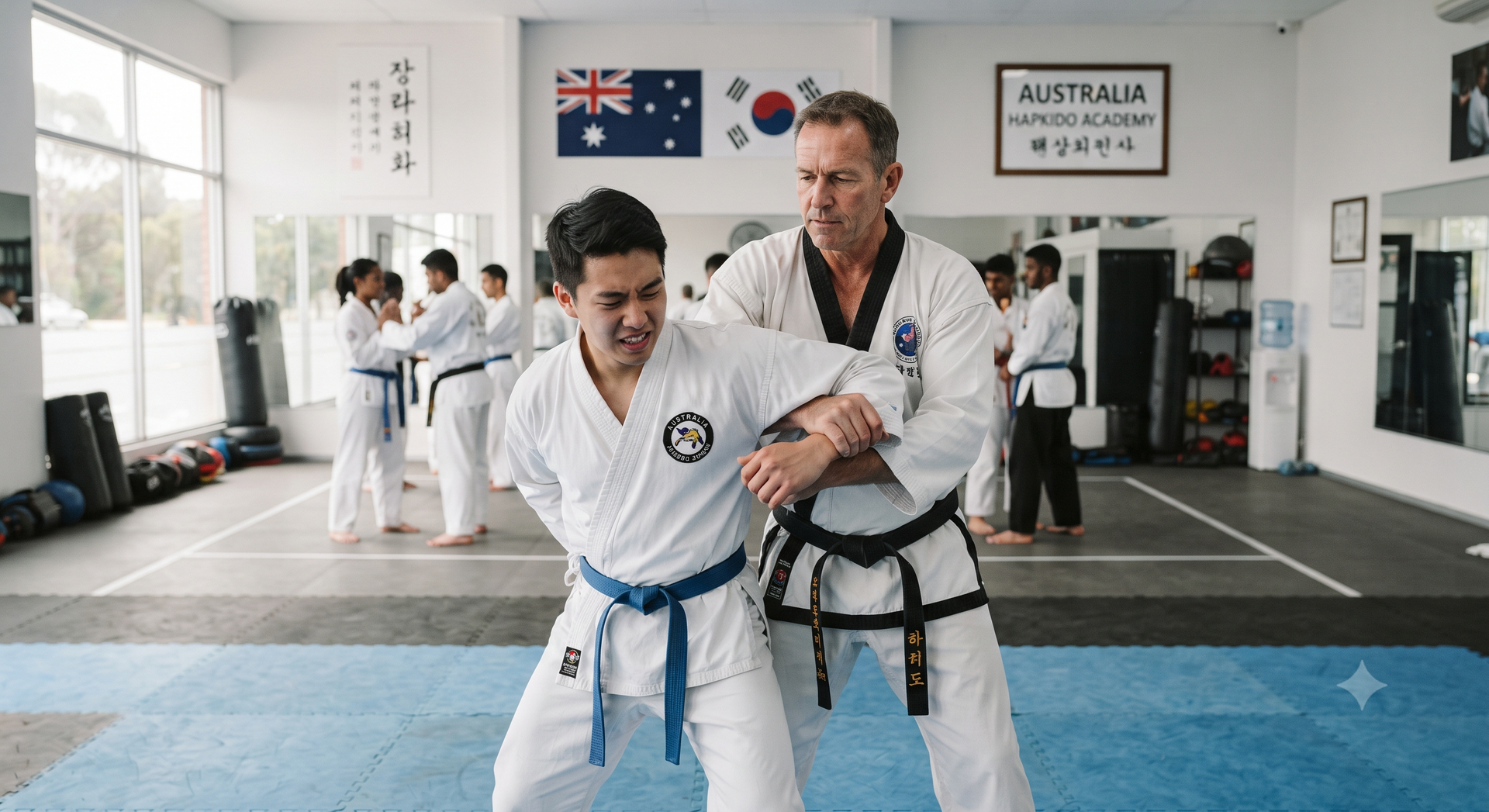
Across Australia, many clubs run in regional towns, suburban community halls, school facilities, and local recreation centres. These schools are often deeply embedded in their communities. They may be smaller in size, but their impact is significant.
Regional and community-based instructors face unique challenges — limited access to peer networks, fewer local resources, and sometimes greater operational isolation.
We recognise these realities and provide support that extends beyond major cities. Support should not depend on postcode.
The Unique Challenges of Regional Schools
Regional and community clubs often operate with:
- Smaller enrolment bases
- Limited access to specialist advisors
- Reduced exposure to industry updates
- Fewer networking opportunities
Instructors may carry multiple roles simultaneously — teaching, administration, marketing, compliance, and financial management — often without support staff.
This makes structured guidance especially valuable.
We help reduce the sense of operating in isolation by connecting instructors to a broader national framework.
Access to Industry Awareness
In metropolitan areas, instructors may interact regularly with:
- Other school owners
- Insurance brokers familiar with martial arts
- Legal advisors
- Industry events
In regional areas, those touchpoints may be limited.
We provide broader industry awareness to help ensure regional instructors are not left behind in areas such as:
- Compliance updates
- Insurance expectations
- Child safety standards
- Governance best practice
Access to shared information strengthens confidence.
Supporting Sustainable Community Clubs
Community-based clubs often prioritise:
- Local engagement
- Affordable training
- Youth development
- Volunteer involvement
These clubs may not operate at large commercial scale, but they still carry legal and operational responsibilities.
We support these schools by reinforcing that:
- Governance matters regardless of size
- Insurance alignment is still necessary
- Child safety obligations remain the same
- Documentation standards apply universally
Small scale does not mean small responsibility.
Structured support helps community clubs operate responsibly while maintaining their local character.
Volunteer and Assistant Instructor Management
Regional schools frequently rely on:
- Volunteer assistants
- Senior students helping with classes
- Part-time instructors
This introduces additional considerations, including:
- Working With Children compliance
- Insurance disclosure
- Defined supervision responsibilities
- Clear behavioural expectations
We encourage schools to formalise roles even in informal community environments.
Clarity prevents misunderstanding.
Helping Clubs Navigate Growth
Some regional clubs remain stable in size for years. Others grow rapidly when demand increases.
Growth in a regional setting can be particularly challenging because:
- Facility options may be limited
- Instructor recruitment pools may be smaller
- Operational scale changes quickly
We support instructors in recognising when governance systems must evolve to match growth.
Expansion without structure increases exposure.
Strengthening Credibility Within the Community
Community trust is powerful in regional Australia.
Parents often rely heavily on local reputation when choosing programs for their children.
Alignment with a recognised national body can support credibility by demonstrating that:
- The school participates in structured industry standards
- Governance expectations are acknowledged
- Professional practices are maintained
This reinforces local trust rather than replacing it.
Encouraging Professional Confidence
Regional instructors may sometimes question whether their smaller-scale operation is “industry aligned.”
Our supportive approach recognises that professionalism is not measured by school size.
It is measured by:
- Responsible operation
- Clear documentation
- Compliance awareness
- Ethical conduct
Regional and community clubs are just as capable of meeting professional benchmarks as large metropolitan schools.
Support helps reinforce that confidence.
Reducing Isolation Through Connection
Even experienced instructors benefit from perspective.
Connection to a broader professional community allows regional school owners to:
- Share operational challenges
- Learn from others’ experiences
- Gain reassurance during complex decisions
- Feel supported in long-term planning
Isolation increases uncertainty.
Connection reduces it.
A National Framework With Local Impact
Our support model is national in scope but local in impact.
The intention is not to centralise control.
It is to provide:
- Shared standards
- Structured awareness
- Industry connection
- Practical guidance
Regional and community clubs deserve access to the same level of support as larger schools.
Professionalism should not be limited by geography.
Final Perspective
Regional and community martial arts clubs are essential parts of Australia’s martial arts landscape.
They foster resilience, discipline, and connection within local communities.
But they face unique operational challenges.
We support these schools by reinforcing governance, compliance awareness, and professional structure — while respecting their independence and community focus.
Support ensures that location does not determine access to guidance.
Professional standards can thrive anywhere.