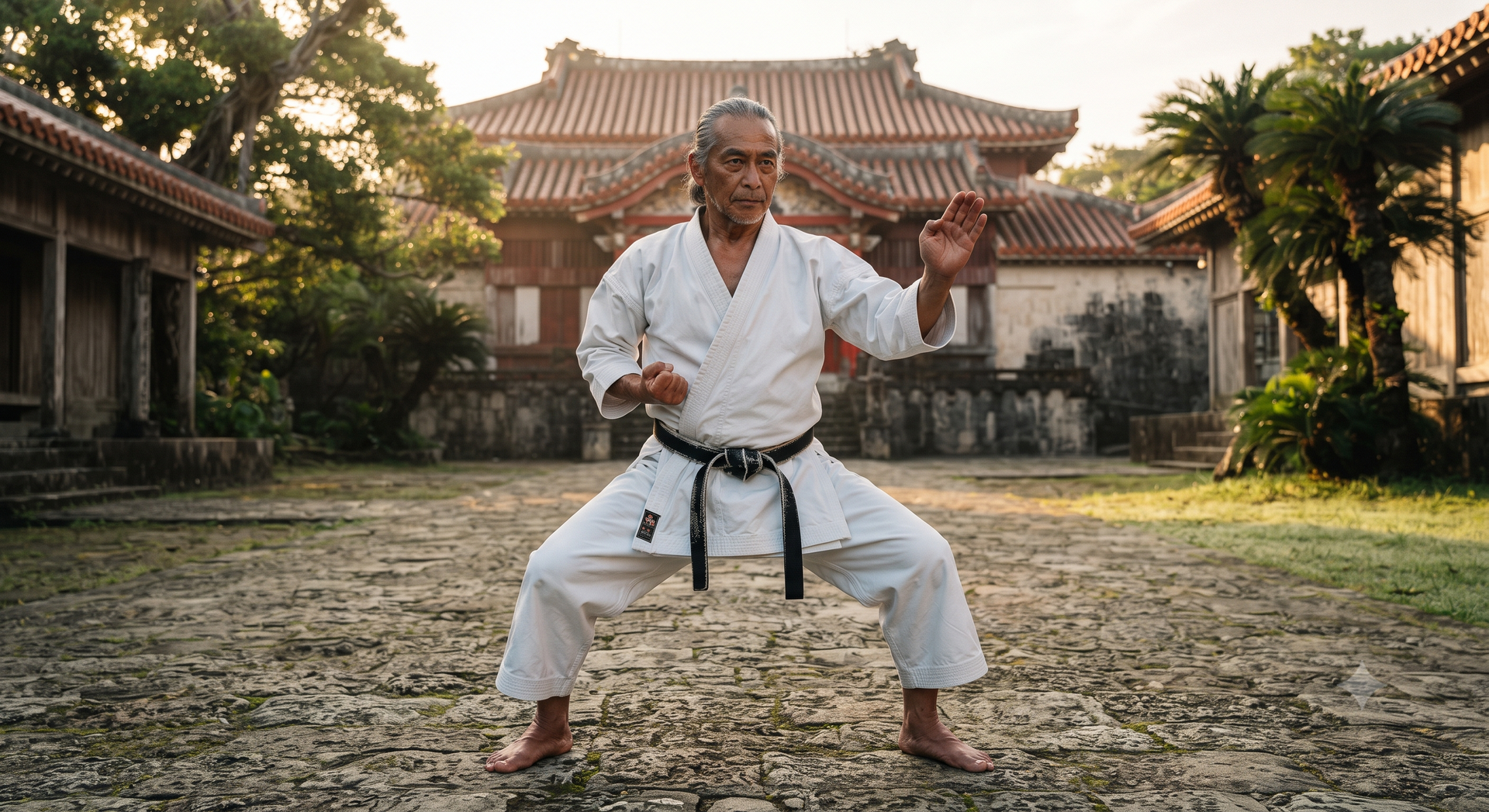
Why Having Industry Support Matters for Martial Arts Instructors
Martial arts has always valued independence.

Instructors build their reputation through discipline, skill, consistency, and personal integrity. Many schools are founded by individuals who have dedicated decades to refining their craft.
Because of this independence, some instructors question whether industry support is truly necessary. If you can teach well and manage your school competently, why involve an external framework?
The answer lies not in control — but in sustainability.
Industry support matters because the environment in which martial arts schools operate has changed.
The Industry Has Evolved
Twenty years ago, expectations around compliance, insurance, and governance were less complex.
Today, instructors must navigate:
- Working With Children requirements
- Insurance disclosure obligations
- Increasing documentation standards
- Workplace health and safety expectations
- Data privacy considerations
- Greater parental scrutiny
Even experienced instructors can find it difficult to monitor these shifts independently.
Industry support provides awareness of changes that might otherwise go unnoticed.
Awareness prevents avoidable exposure.
Independence Does Not Mean Isolation
Being independent does not require operating alone.
Instructors can maintain full control over:
- Teaching style
- Curriculum
- Culture
- Business decisions
While still benefiting from:
- Shared industry knowledge
- Governance reinforcement
- Compliance awareness
- Professional networking
Support strengthens independence rather than undermining it.
It reduces blind spots.
Reducing Operational Blind Spots
Every school owner has areas of strength and areas of limited experience.
Some are strong in marketing but less confident in insurance literacy. Others excel in curriculum development but struggle with documentation systems.
Industry support helps instructors recognise potential blind spots before they become problems.
It is easier to correct a minor oversight early than respond to a major issue later.
Confidence in Decision-Making
Many operational decisions carry long-term implications:
- Increasing sparring intensity
- Hiring assistant instructors
- Hosting tournaments
- Expanding to additional locations
- Modifying membership agreements
Without guidance, these decisions may rely on assumption.
With industry awareness, decisions are more informed.
Confidence grows when instructors understand both the opportunity and the associated responsibility.
Supporting Professional Credibility
Parents, landlords, insurers, and local councils increasingly expect professionalism.
They may ask questions such as:
- Are instructors properly cleared to work with children?
- What safety procedures are in place?
- Is appropriate insurance maintained?
- How are incidents documented?
Being able to demonstrate structured governance strengthens credibility.
Industry support reinforces that structure.
Credibility supports growth.
Shared Experience Reduces Mistakes
No school owner avoids challenges entirely.
But learning from shared industry experience can prevent repeating common mistakes.
Issues such as:
- Incomplete insurance disclosure
- Informal membership agreements
- Unclear supervision standards
- Lapsed compliance documentation
are more common than many realise.
Industry support helps instructors recognise patterns across the sector.
Learning collectively is more efficient than learning through crisis.
Encouraging Long-Term Sustainability
Short-term success in martial arts can be driven by strong teaching and enthusiastic enrolments.
Long-term sustainability requires:
- Governance discipline
- Risk management awareness
- Financial structure
- Operational consistency
Industry support reinforces these broader considerations.
Schools built on structure are more resilient during unexpected challenges.
Supporting Growth Without Instability
Growth introduces new complexity:
- Additional instructors
- Larger class sizes
- Increased documentation
- Greater exposure
Without support, growth can outpace structure.
Industry guidance encourages schools to scale responsibly — adjusting systems as size and risk increase.
Responsible growth protects both reputation and longevity.
Protecting the Broader Martial Arts Community
When one school experiences significant compliance or safety failures, the broader industry can feel the impact.
Negative publicity affects perception across all styles and organisations.
Industry support helps reinforce responsible practice across the sector, strengthening overall public confidence in martial arts training.
Strong schools contribute to a strong industry.
A Balanced Perspective
Industry support is not about hierarchy.
It is about collaboration.
It does not remove independence.
It enhances awareness.
It does not impose teaching philosophy.
It encourages responsible operation.
Instructors remain leaders within their own schools.
Support simply strengthens the foundation beneath that leadership.
Final Reflection
Martial arts instructors dedicate years to mastering discipline, resilience, and technical precision.
Operating a school responsibly requires those same qualities — applied to governance, compliance, and risk awareness.
Having industry support matters because the operational landscape is complex and evolving.
Structured guidance reduces uncertainty.
Awareness reduces exposure.
Connection reduces isolation.
And sustainability becomes far more achievable when instructors do not have to navigate everything alone.
Support is not weakness.
It is a strategic choice for long-term strength.